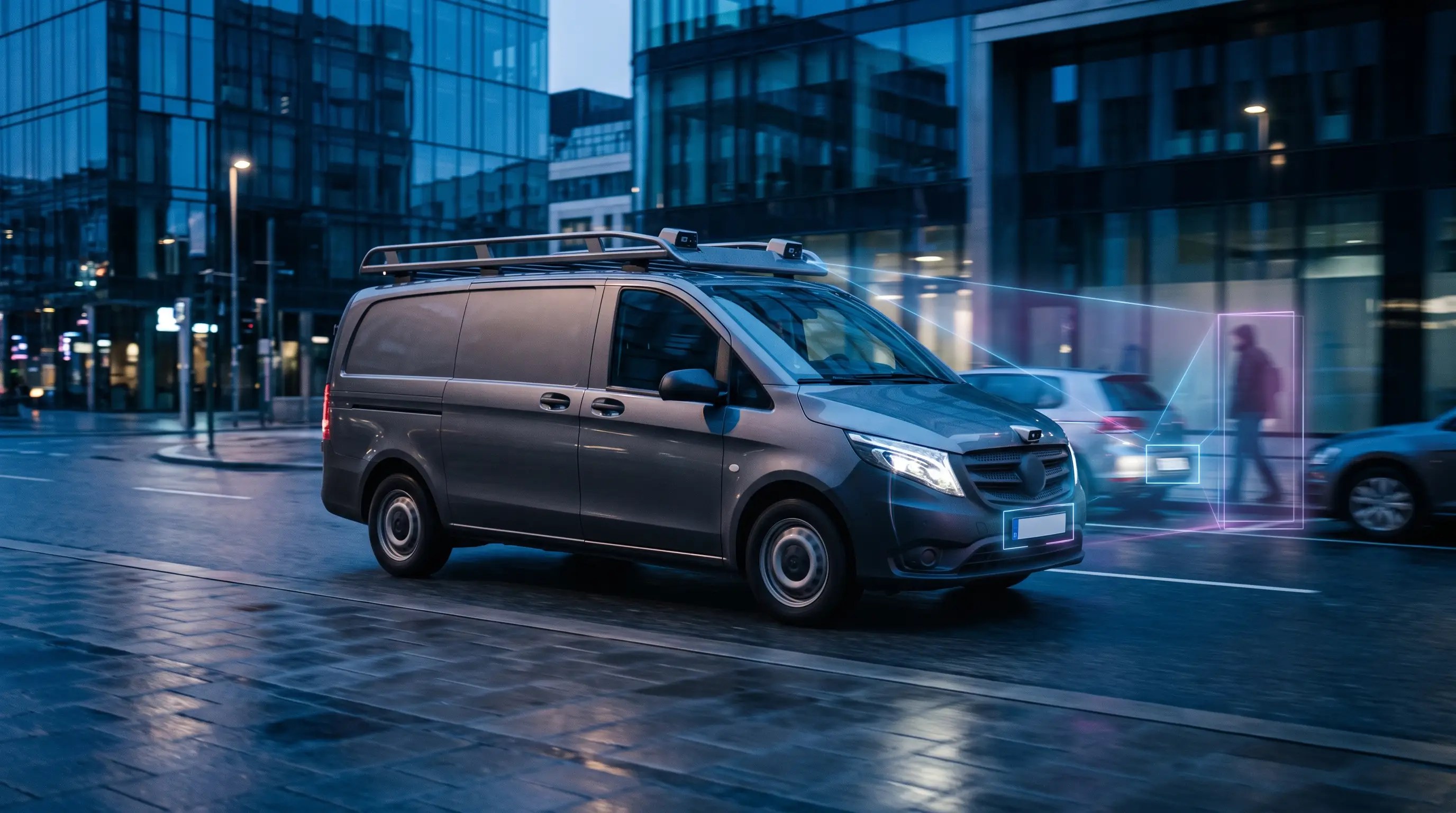
Preston, United Kingdom - Blog Preston reported that planning applications have been submitted for ANPR cameras at several University of Lancashire campus car parks.
What was reported
Blog Preston reported on 1 July 2026 that the University of Lancashire is planning to install Automatic Number Plate Recognition cameras across campus car parks. The report says planning applications have been submitted for on-campus locations including Leighton Car Parks, Livesey House Car Park, Harrington and Whitendale Car Parks, and Roeburn Car Parks.
The university told Blog Preston that monitoring and managing car parking has long been in place on the Preston campus for staff and students, and that the pending ANPR introduction modernises the existing policy. The report also says no parking spaces will be lost as a result of installing the equipment.
Why campus ANPR needs careful workflow design
A campus parking environment has a different rhythm from a council street network. Staff, students, visitors, contractors and events may all use the same estate under different rules. ANPR can support that environment only if plate reads are connected to the right permit categories, car park boundaries, dates, exemptions and review steps.
The planning-application context is also important. Camera placement, signage and the purpose of the system need to be clear before the system becomes part of daily operations. When a vehicle is automatically registered as it enters or leaves a car park, the review process should still explain which rule applied and what evidence was used before any penalty notice is issued.
Operational lessons for universities and councils
The University of Lancashire example is a useful reminder that ANPR is not just a field device. It changes the way parking activity is recorded, checked and reported. A good workflow should show the car park, entry or exit time, permit or entitlement status, applicable rule, signage context and review outcome in one place.
For universities, the goal is often a smoother way to manage existing parking rules rather than a completely new enforcement model. That means the strongest implementation work happens before the cameras go live: permit data needs to be clean, signage needs to match the rules, review queues need to be defined and reporting needs to show both valid activity and exceptions.
Related reading
Source
This article is based on Blog Preston reporting published on 1 July 2026. Blog Preston