
Challenge / Fuel drive-offs

Fuel drive-off workflows from forecourt evidence to recovery or referral.

Aero Ranger helps service station operators and authorised review teams manage reported fuel drive-offs by linking vehicle evidence, forecourt context, payment status, contact attempts, recovery steps and referral outcomes in one case workflow.

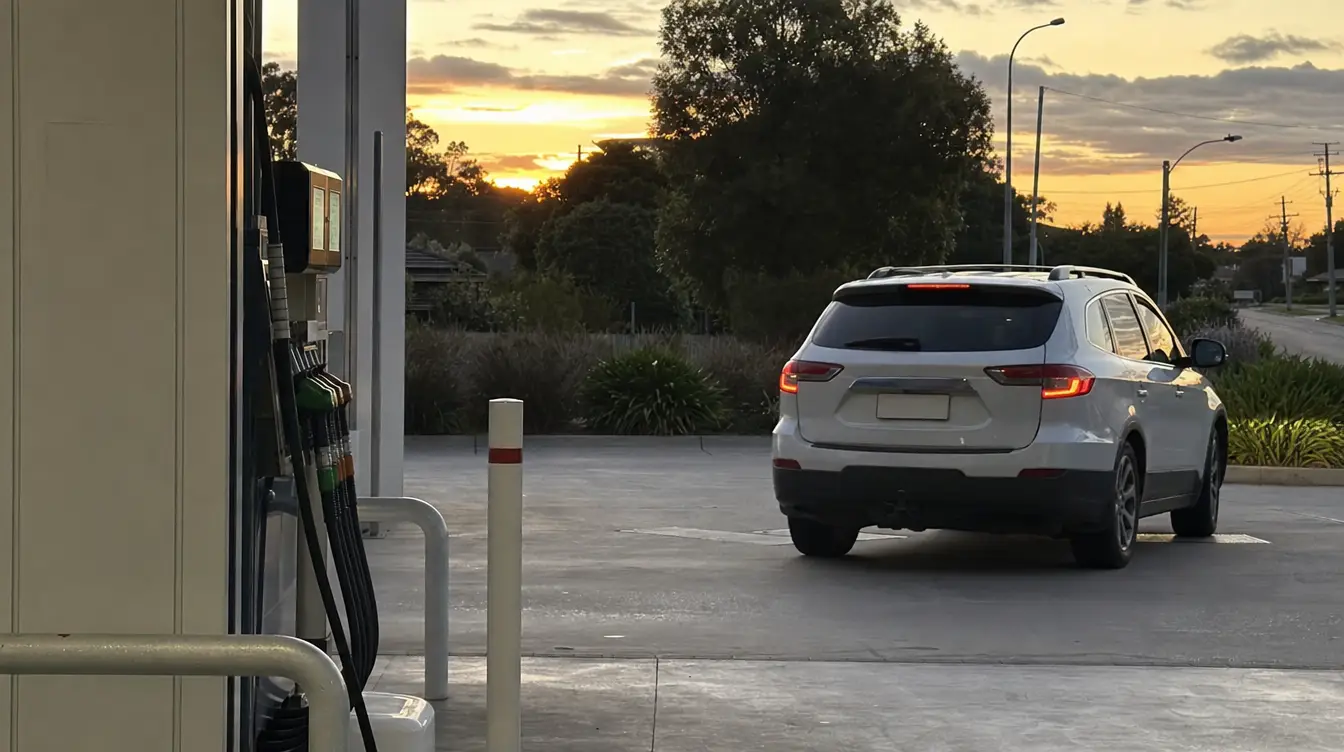
Service station forecourt with a vehicle leaving a fuel pump lane and no readable plate
Turn a forecourt incident into a reviewable case. Keep vehicle evidence, pump context, payment status, contact attempts and referral outcomes tied to one record.
CaseOne record for vehicle, pump, payment and outcome context
EvidenceForecourt images, station notes and supporting documents
ReviewContact attempts, disputed payments and referral decisions
ReportsRepeat vehicles, site trends, aged matters and recovery outcomes

The issue is not just a vehicle leaving. It is recording what was reported, what evidence exists and what happens next.

Fuel drive-offs can move quickly from a forecourt observation to customer contact, recovery steps or referral. The workflow needs a clear record before anyone treats the matter as intentional non-payment.

Evidence is easy to scatter

A forecourt image, payment note, pump record and staff description can end up in different systems unless the matter is opened as one case.

Intent is not always clear

The workflow should leave room for disputed payments, payment-system issues, customer mistakes and genuine recovery before escalation.

Repeat vehicles need history

Teams need to know whether the same vehicle, site, time window or account has appeared in earlier reported incidents.

Referrals need a clean pack

Where a matter is referred externally, the vehicle image, station report, amount, contact attempts and outcome notes should travel together.

What the workflow needs to keep together.

The useful question is not which feature exists. It is whether the team can see the place, rule, evidence, exception, next action and review history before making a decision.

Forecourt incident records

Open a reported fuel drive-off as a case with station, pump, amount, vehicle, payment and evidence fields.

Cases, custom fields, inspection templates, notes and evidence attachments.

Vehicle evidence and history

Attach vehicle images, plate reads where available and sighting history to help reviewers understand repeat activity.

ANPR records, vehicle history, image evidence and case timeline.

Payment and contact review

Record payment status, disputed payment notes, customer contact attempts and recovery steps before escalation.

Case statuses, tasks, notes, document templates and reminders.

Referral workflow

Prepare a structured referral pack where the matter needs police, partner agency or recovery action.

External actions, evidence packages, documents and audit history.

Privacy-aware evidence handling

Keep original evidence attached to the case while preparing only the copies needed for review, recovery or referral.

Evidence packages, access controls, exports and audit trail.

Site and repeat-issue reporting

Review repeat vehicles, station locations, time windows, unresolved matters and recovery outcomes.

Intel reporting, exports, case queues and saved views.

See the forecourt, then see the case record.

Review teams need the vehicle, pump, time, amount, payment context, contact history and outcome decision visible together.

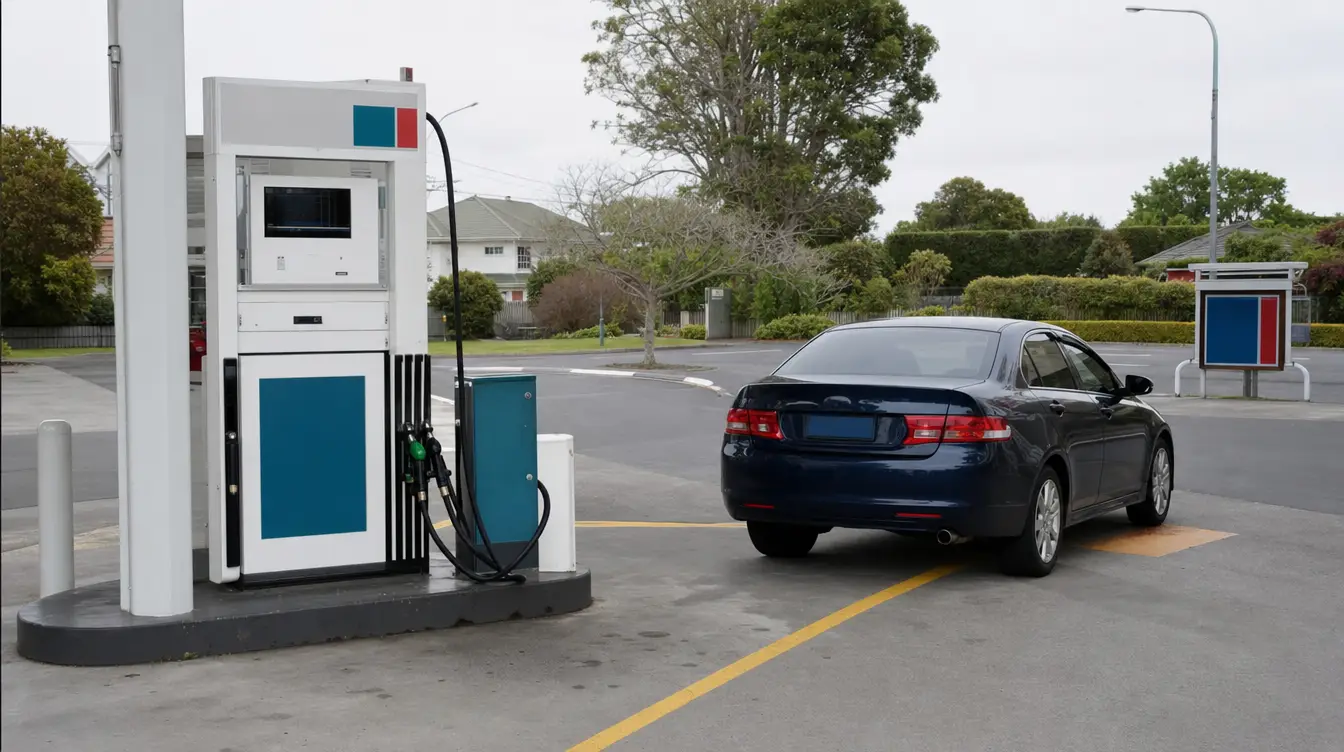
Service station fuel pump and forecourt lane context for a reported fuel non-payment review

Vehicle context

Keep the vehicle image, plate read where available, pump lane, first report and any repeat activity in one record.

Payment context

Record pump number, amount, payment status, receipt notes, customer account checks and disputed payment details.

Referral context

Track contact attempts, recovery steps, police or partner referrals where required, closure reasons and final outcome.

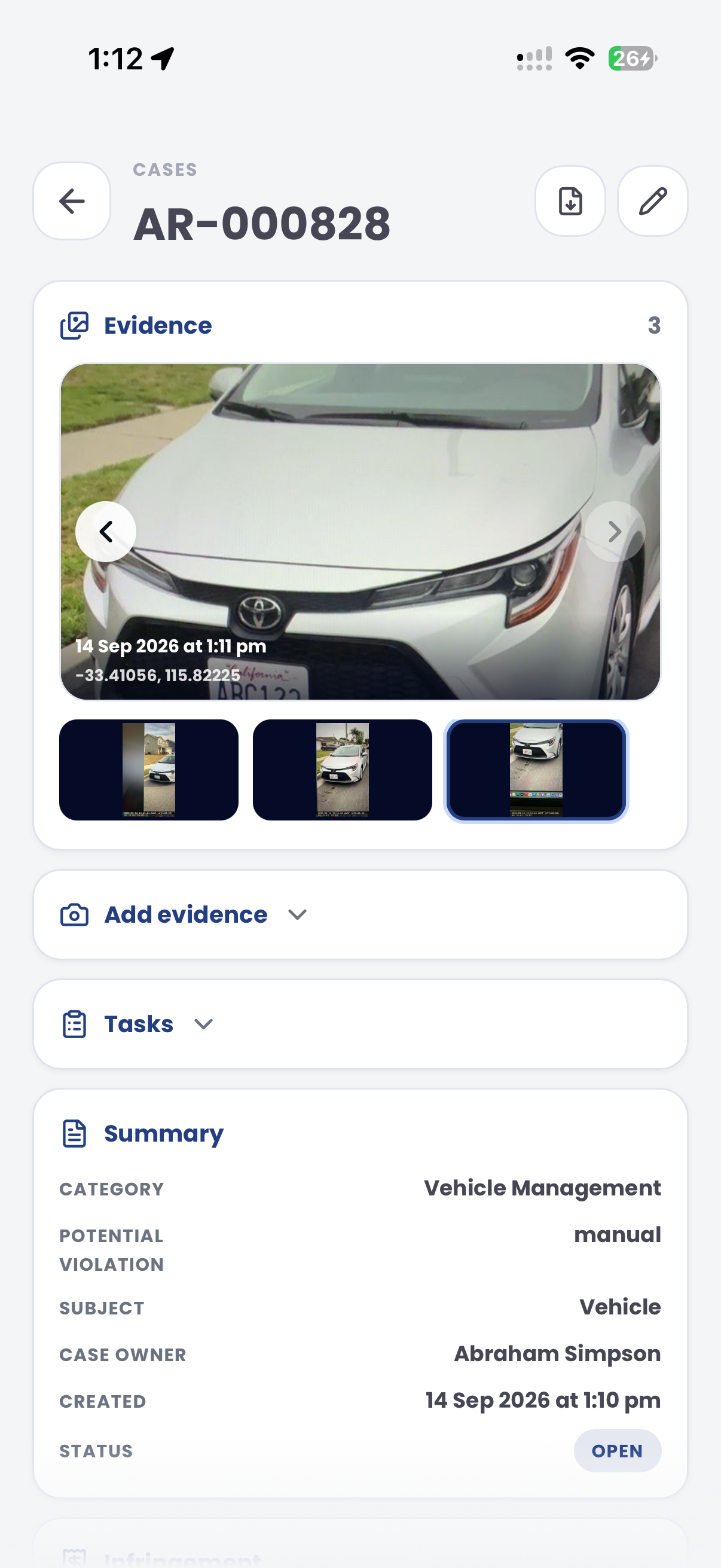
Example CORE case screen for fuel drive off

A fuel drive-off case keeps the forecourt report, vehicle evidence, amount, contact review and referral status together.

City of Utopia Cases FD-41862 Evidence review
  1. Reported
  2. Evidence
  3. Owner review
  4. Recovery
  5. Closed
Forecourt evidence
Vehicle at a service station fuel pump with unreadable plate for a fuel drive-off evidence example Vehicle departed before payment was confirmed 18:42 · Bowser 4
Fuel drive-off case
Evidence review
Incident category

Fuel non-payment report

Reported vehicle departure before payment confirmation

Unpaid fuel $96.70
PumpBowser 4
ReceiptPending
ReferralReview
Case outcomeOpen
Next actions
  • Check forecourt evidence
  • Record contact attempt
  • Refer or close
Chain of evidence collection

Aero Ranger keeps the issue photos, place context, rule context and follow-up state together so the case can be checked later without rebuilding the record.

Vehicle at a service station fuel pump with unreadable plate for a fuel drive-off evidence example
Vehicle departed before payment was confirmed · 18:42 · Bowser 4
Issue photo Vehicle departed before payment was confirmed

The issue photo stays on FD-41862 with the case note and current case status.

Place context Bowser 4

Site, street, reserve, bay, kerbside or zone context stays attached so reviewers can see where the issue occurred.

Rule context Fuel non-payment report

The relevant signage, permit condition, local-law category or operating rule is recorded beside the issue evidence.

Follow-up state 18:42

Later photos, reinspection notes, notice evidence and closure decisions remain in the same case trail.

A typical operating workflow in Aero Ranger CORE.

In CORE, reported fuel drive-offs work best as a vehicle incident case type that connects the station report, forecourt evidence, payment context, contact attempts, recovery steps, referrals and reporting.

Workflow path

  1. Station report
  2. Evidence review
  3. Payment check
  4. Owner or account review
  5. Contact attempt
  6. Recovery or referral
  7. Closed

The fuel drive-off case record would hold:

Incident details

Station, pump, time, fuel amount, product type if known, staff note, receipt status and report source.

Vehicle and place context

Vehicle image, plate read where available, forecourt lane, pump number, site and any repeat-vehicle history.

Payment review

Payment missing, disputed, delayed, reversed, account-linked, recovered, unresolved or referred.

Actions and deadlines

Contact attempt, reminder, recovery task, referral review, response due date, closure reason and outcome owner.

Audit and reporting

Who reviewed the evidence, what decision was made, what documents were sent and what outcome followed.

One operating loop from station report to outcome.

Start with the forecourt report, keep evidence and contact attempts together, then close, recover or refer the matter with a clear history.

Record the report

Capture the station, pump, time, amount, staff note and vehicle evidence as one reported incident.

Check payment context

Record whether payment is missing, disputed, delayed, reversed or linked to a known customer or account.

Review vehicle history

Check plate reads, repeat incidents, previous contact attempts and any relevant authorised-list context.

Attempt recovery

Assign contact tasks, document outcomes, attach receipts or correspondence and record any payment resolution.

Refer or close

Prepare a referral pack where required, or close with a reason such as paid, disputed, insufficient evidence or no further action.

The same pattern supports adjacent vehicle incident workflows.

Once vehicle evidence, case review and referral pathways are configured, related incident categories can use the same operating model.

Vehicles of interest

Use governed lists and alert delivery when repeat vehicle activity needs authorised review.

Unpaid infringement follow-up

Reuse reminder, evidence pack, external action and closure patterns for aged matters.

Unauthorised passenger transport

Compare vehicle activity against approved records, locations and referral pathways.

Fleet vehicle tracking

Use vehicle history and site context to understand repeat operational activity.

See reported fuel drive-offs move from forecourt evidence to outcome.

Bring a real forecourt scenario and we will map the vehicle evidence, payment review, contact attempts, referral pathway and reporting.