Bring parking, permits, inspections, evidence and reporting into one practical council workflow.
Long timeframes
The evidence window may run for days or weeks rather than a single patrol shift.
Aero Ranger helps teams review trailers, boats and caravans parked long-term by using vehicle sightings, dwell thresholds, zone context, inspections, evidence, notices and case follow-up.
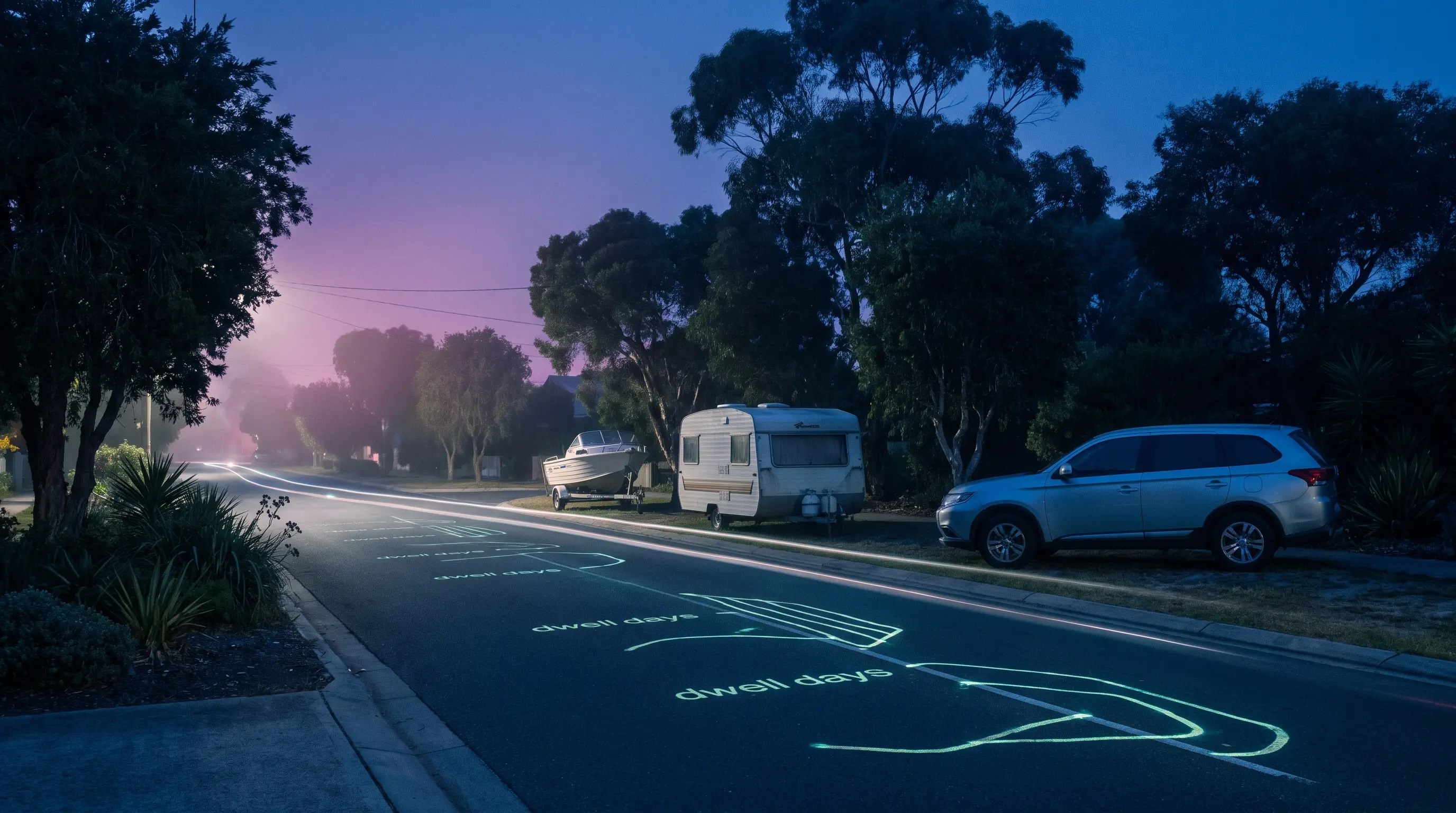
Aero Ranger helps teams review trailers, boats and caravans parked long-term by using vehicle sightings, dwell thresholds, zone context, inspections, evidence, notices and case follow-up.
A trailer, boat or caravan may need more than one site visit.
Long timeframes. Vehicle details. Neighbour complaints. Notice dates and rechecks to coordinate.
AeroRanger connects the history. Define review areas. Capture repeat sightings. Open an inspection case. Assign follow-up. Record the outcome.
Keep photos, timestamps and location together. Use officer observations to confirm vehicle type and review whether the vehicle has moved between sightings.
Back in CORE, see open matters, next checks and recorded actions with the relevant case context.
Keep contact attempts, notices and closure decisions together, using your organisation's configured process and timing.
Bring a long-term parking case. We'll show your team the workflow. AeroRanger. Book your vehicle compliance demo.
Trailer, boat and caravan parking often requires repeat checks, owner contact, notices and local-law timing. Teams need a clear record that survives handover between officers.
The evidence window may run for days or weeks rather than a single patrol shift.
Trailers, boats and caravans may need officer confirmation and photos.
Repeat complaints need status visibility without creating duplicate work.
Follow-up often depends on configured recheck periods and local-law timing.
The field app / iPhone and Android
Document the vehicle and location during initial visits and rechecks. Use inspection records to keep condition photos and observations connected over time.
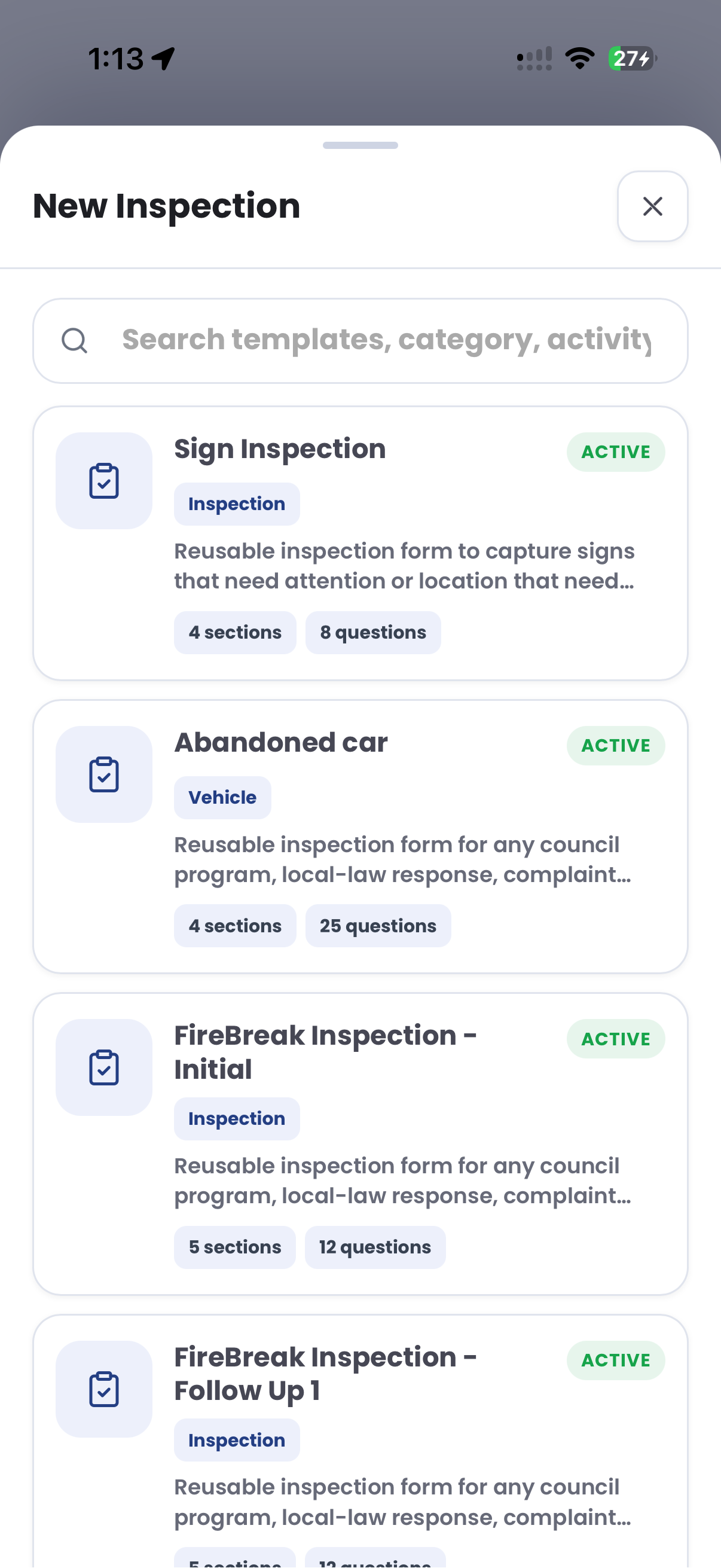
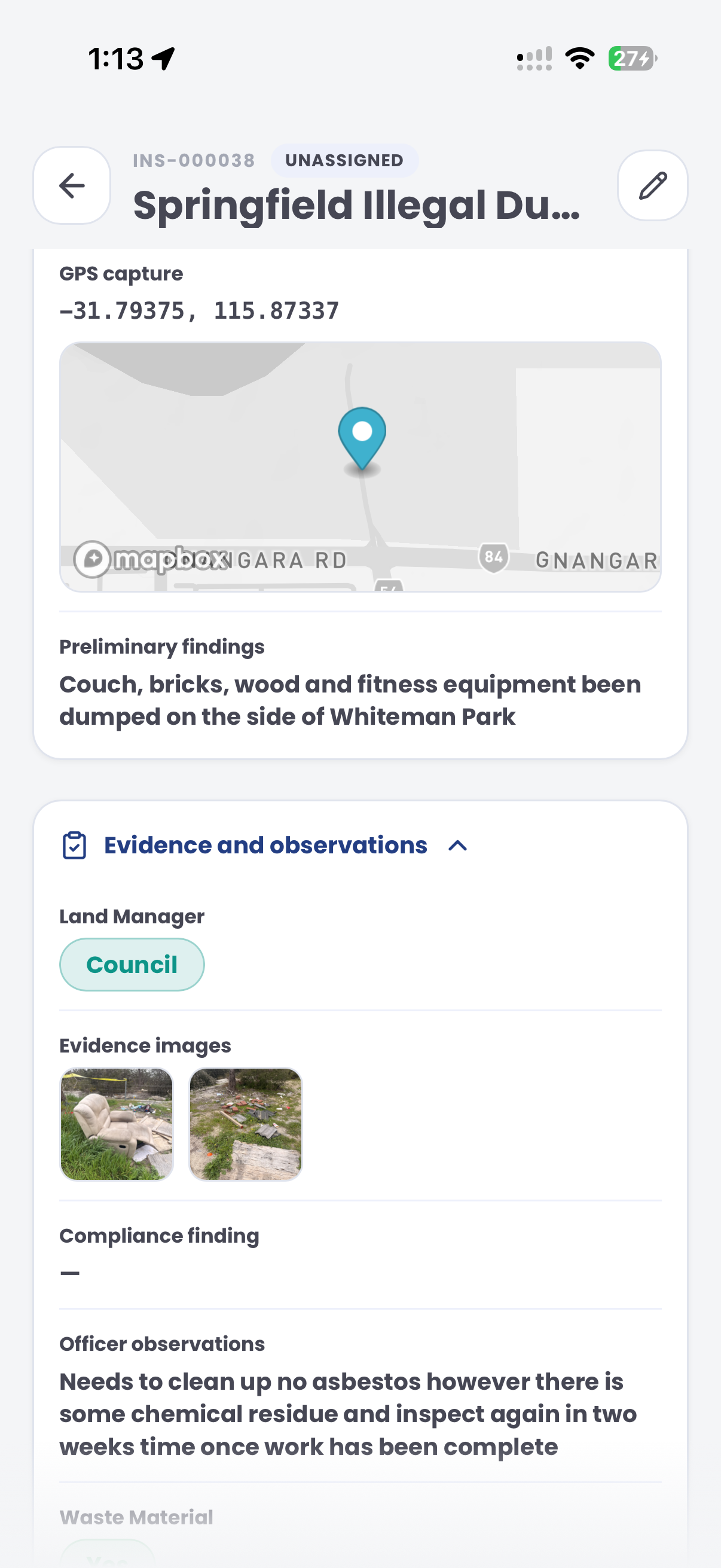
The useful question is not which feature exists. It is whether the team can see the place, rule, evidence, exception, next action and review history before making a decision.
Configure thresholds and authorised vehicle lists for vehicles that remain in place across patrols.
Parking alerts, dwell rules and vehicle replay.Capture photos and notes to classify trailers, boats, caravans and related vehicles.
Inspections, vehicle details and evidence images.Schedule rechecks, owner contact, notice issue and closure tasks.
Case flows, task templates and statuses.Keep statutory timing and notice settings linked to the configured local law.
Local laws, document builder and enforcement templates.Use repeat sightings to show whether the vehicle moved or remained.
Vehicle replay, ANPR reads and exports.Track streets and precincts with repeated long-term parking pressure.
Intel reports, exports and zone reports.A long-term parking matter needs first sighting, repeat sighting, vehicle type, location, inspection notes, notice history and closure outcome together.

Use repeat sightings to show how long the trailer, boat or caravan has remained.
Record trailer, boat, caravan or unknown vehicle type with supporting evidence.
Track owner contact, warning, notice, recheck and closure in one case.
A long-dwell record keeps first sighting, movement checks, notice expiry and removal decision together.
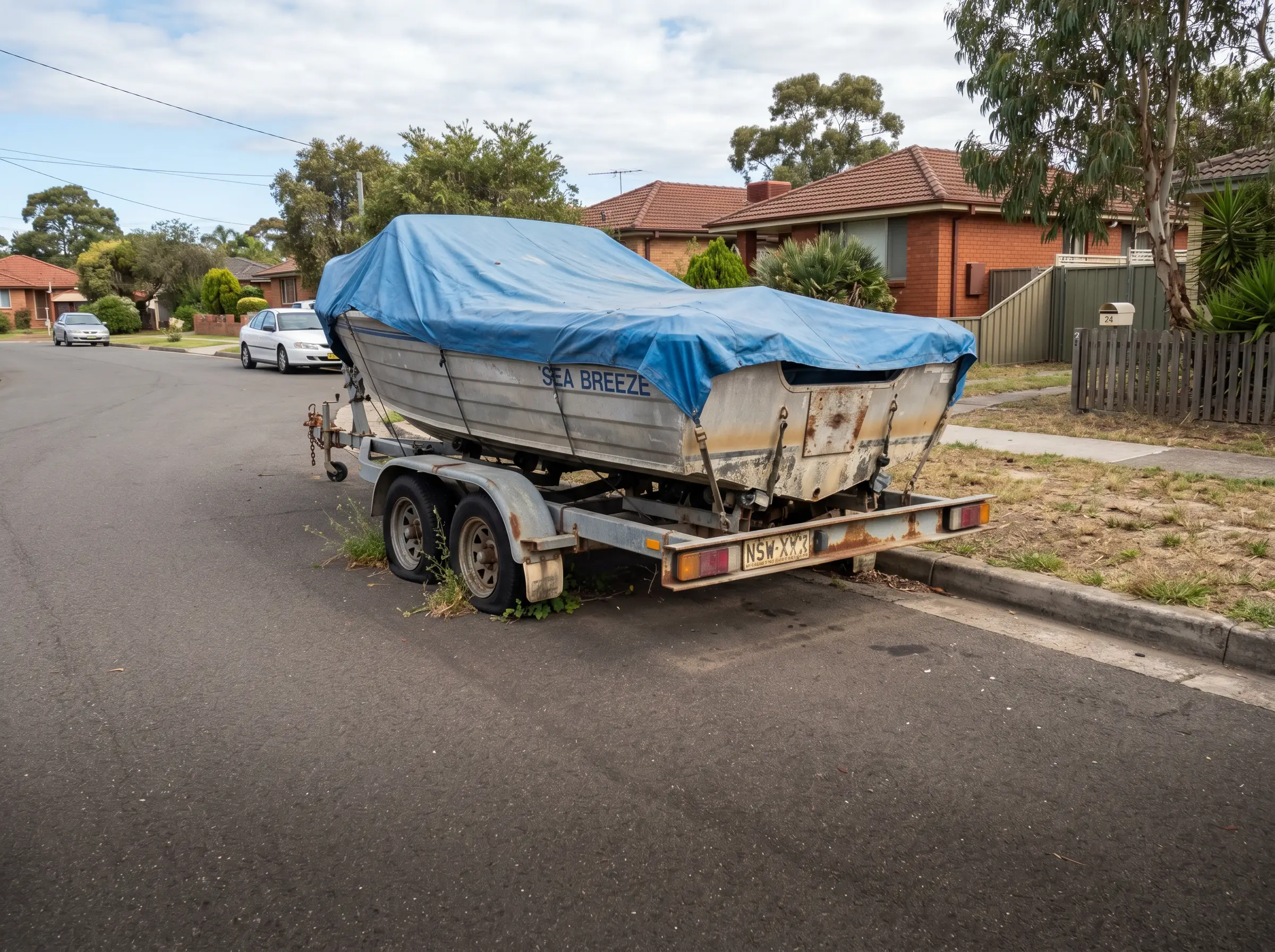
Trailer, boat or caravan left long-term on a local road
Aero Ranger keeps the issue photos, place context, rule context and follow-up state together so the case can be checked later without rebuilding the record.
The issue photo stays on TB-30881 with the case note and current case status.
Site, street, reserve, bay, kerbside or zone context stays attached so reviewers can see where the issue occurred.
The relevant signage, permit condition, local-law category or operating rule is recorded beside the issue evidence.
Later photos, reinspection notes, notice evidence and closure decisions remain in the same case trail.
Long-term trailer, boat and caravan parking is a duration and amenity workflow. Council needs to show how long the asset stayed, whether it moved and whether a local rule or notice pathway applies.
Record trailer, boat or caravan type, visible registration or identifying marks, condition, location and whether it creates access or amenity issues.
Link first and repeat sightings, movement checks, notice photos, allowed-duration rules and reinspection dates.
Close moved assets, approve removal where required, assign contractor work and report repeat streets or storage hotspots.
Rego if present, trailer or caravan type, boat details, visible condition, attached vehicle context and identifying marks.
Street, verge, car park, foreshore, GPS pin, ward, local-law category and whether the asset has moved.
Photos, first and repeat sightings, officer notes, notice photos, timestamps and movement history.
Allowed duration, notice expiry, reinspection due date, removal approval timing and closure reason.
Inspect, issue notice, contact owner where known, approve removal, assign contractor, close or report repeat streets.
Teams can define long-term parking hotspots, set review thresholds and run repeat-inspection workflows with clear notices and reporting.
Map streets, foreshore areas and residential hotspots where long-term parking is reviewed.
Build duration evidence from patrol reads and officer observations.
Attach photos, notes, vehicle type and first/recheck dates.
Use templates and tasks for warnings, notices, rechecks and escalation.
Record movement, removal, further action or management reporting.
Once zones, vehicle sightings, evidence and case flows are configured, related compliance categories can use the same platform pattern.
Use longer dwell, recheck and notice workflows for vehicles that remain in place.
Apply overnight and public-land dwell rules where caravans are occupied.
Connect public-land review with vehicle registration context where needed.
Track repeat streets, coastal areas and long-term parking hotspots.
Share the short brochure with stakeholders, then use the procurement guide to frame requirements, governance, rollout and evaluation.
Bring a common street or foreshore scenario and we will map dwell evidence, inspections, notices and reporting.
Technology procurement guide
Use your organisation or government email address. Your guide will be ready to open as soon as the form is submitted.

