Bring parking, permits, inspections, evidence and reporting into one practical council workflow.
No cost recovery pathway
Clean-up costs are often absorbed by council when evidence, offender details and notices are not connected in one workflow.
Aero Ranger helps council teams capture structured dumping evidence, identify responsible parties, open review-ready cases, issue notices and track clean-up cost recovery from one operating workflow.
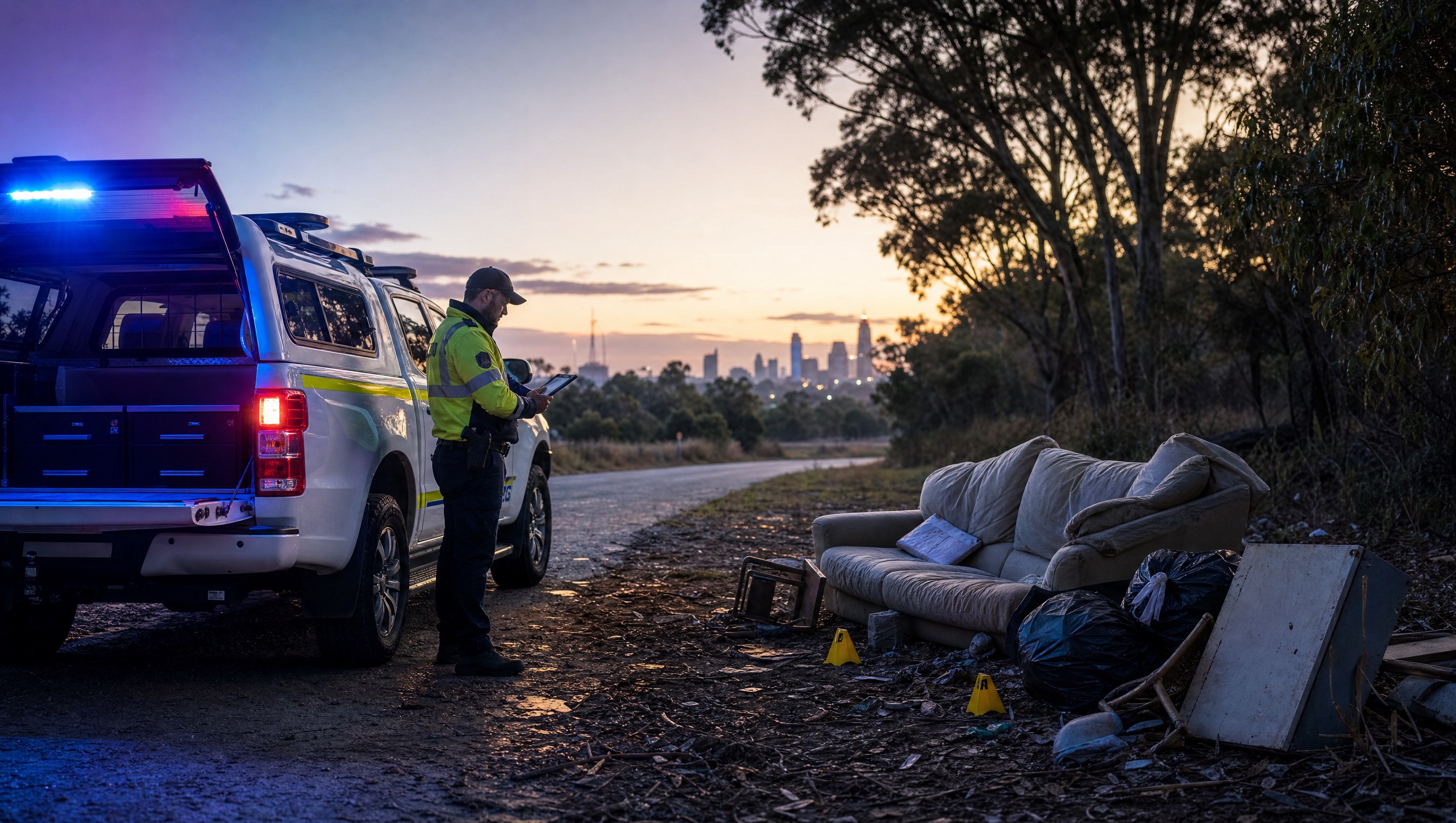
Aero Ranger helps council teams capture structured dumping evidence, identify responsible parties, open review-ready cases, issue notices and track clean-up cost recovery from one operating workflow.
The waste may be cleared tomorrow. Keep the evidence connected today.
Scattered photos. Missing context. Repeat hotspots. Clean-up costs without a clear follow-up.
AeroRanger brings dumping incidents into one workflow. Record the report. Capture the scene. Review possible links. Assign actions. Track the outcome.
In the field, keep waste details, photos, location, timestamps and officer notes together. Link relevant people, vehicles or properties as evidence develops.
Back in CORE, review open investigations, repeat locations and recovery steps with the context your team needs.
Keep notices, referrals and decisions with the original incident, so the history remains clear.
Bring a recent dumping incident. We'll show your team the workflow. AeroRanger. Book your illegal dumping demo.
Illegal dumping creates clean-up costs, environmental damage and community frustration. The hard part is turning an incident into structured evidence, offender identification and a case that can stand up later.
Clean-up costs are often absorbed by council when evidence, offender details and notices are not connected in one workflow.
Offenders are rarely linked to incidents when addressed materials, vehicle sightings, business details and witness evidence are captured inconsistently.
Cases can fail under scrutiny when photos, GPS, timestamps, officer notes and evidence exports are scattered across files and inboxes.
The same locations can be cleaned up repeatedly without a consolidated view of frequency, severity, repeat offenders and recovery outcomes.
The field app / iPhone and Android
Capture the location, discarded materials and site evidence while you are there. Give the office a structured inspection record for review and clean-up follow-up.
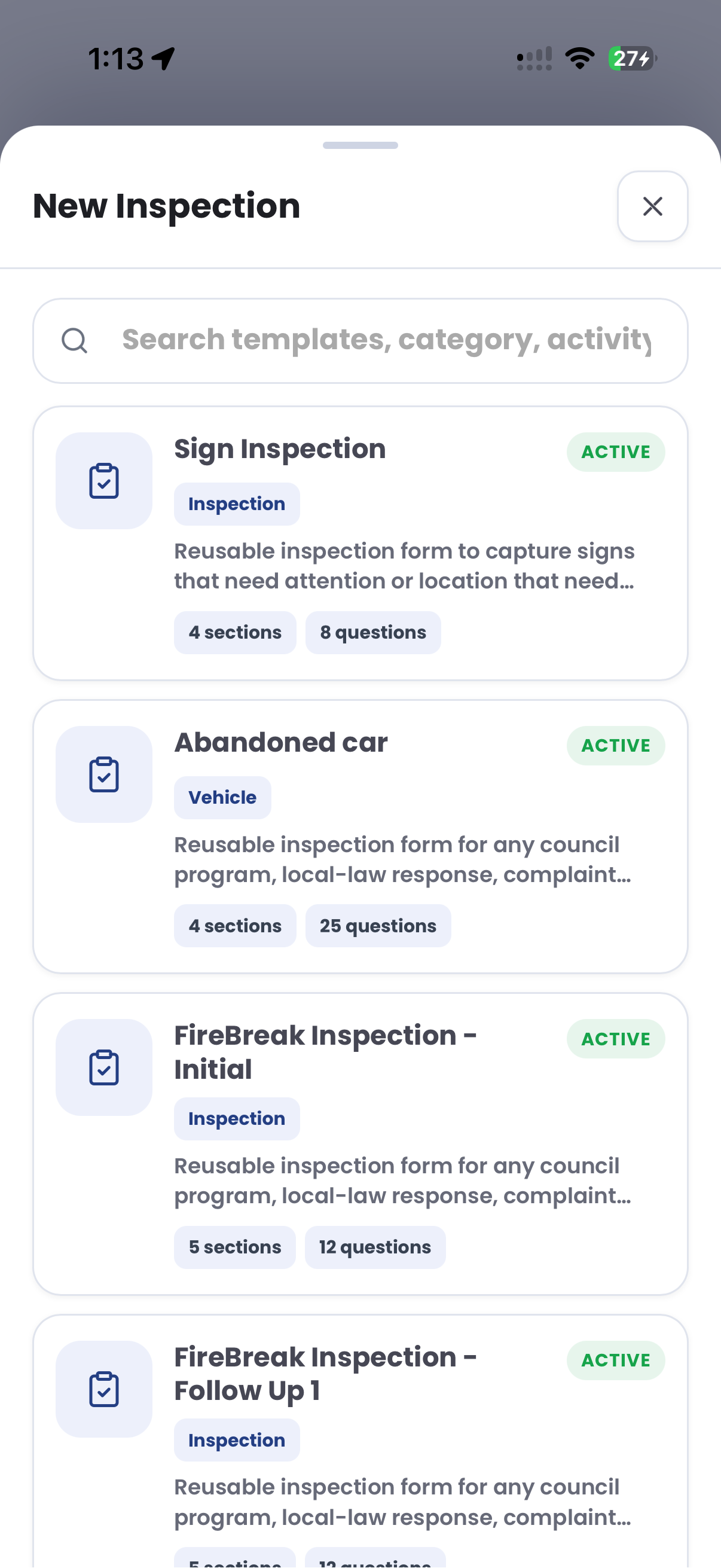
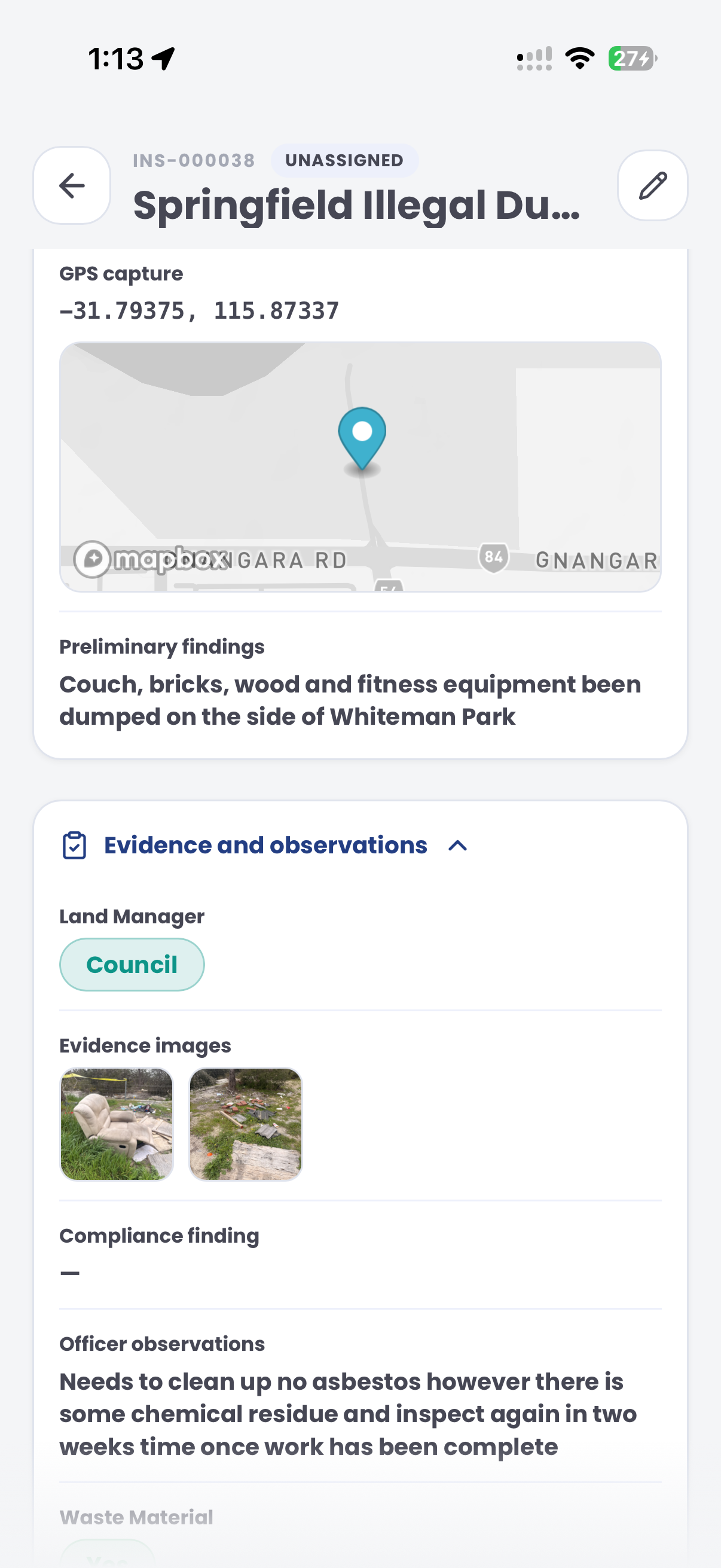
The useful question is not which feature exists. It is whether the team can see the place, rule, evidence, exception, next action and review history before making a decision.
Capture waste type, volume, photos, video, identifying materials, GPS location and officer notes from the field.
PatrolLink forms, inspection templates, photos, video, GPS and timestamps.Track the incident location, responsible person, organisation, property and vehicle inside the same dumping case.
Cases, flexible subjects, case timeline and audit history.Use ANPR sightings around known dump zones to answer who was present before or after waste appeared.
Plate scans, zone context, vehicle replay, authorised vehicle lists and dwell alerts.Render warnings, infringements, clean-up orders, cost recovery notices and prosecution briefs from case data.
Document builder, local-law register, enforcement templates and case status rules.Prepare evidence copies with capture time burned in and non-target faces or plates redacted while originals remain preserved.
Evidence packages, export controls, audit trail and original preservation.Report incident frequency, high-risk sites, repeat offenders, clean-up costs and enforcement outcomes.
Intel dashboards, hotspot mapping, cost reporting and exports.Dumping enforcement needs the incident location, waste type, photos, identifying materials, officer notes, vehicle context and clean-up cost pathway in the same record.
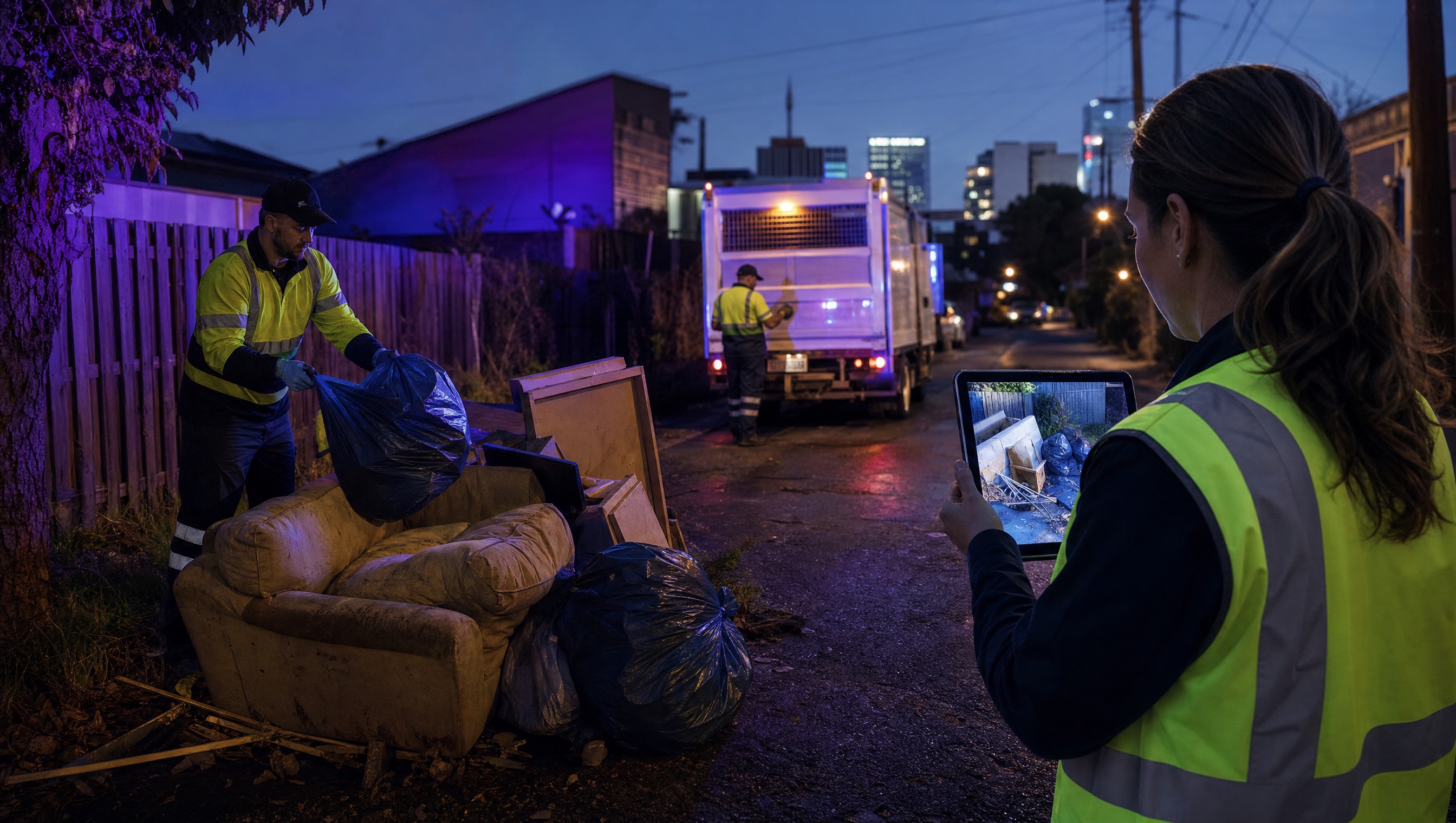
Capture waste type, estimated volume, GPS location, photos, video and identifying materials while the scene is still fresh.
Attach person, vehicle, business, property or location subjects to the same case as evidence develops.
Track warnings, infringements, clean-up orders, prosecution briefs, referrals and cost recovery in one case flow.
A dumping incident links public reports, site evidence, subject review, clean-up work and recovery notes.
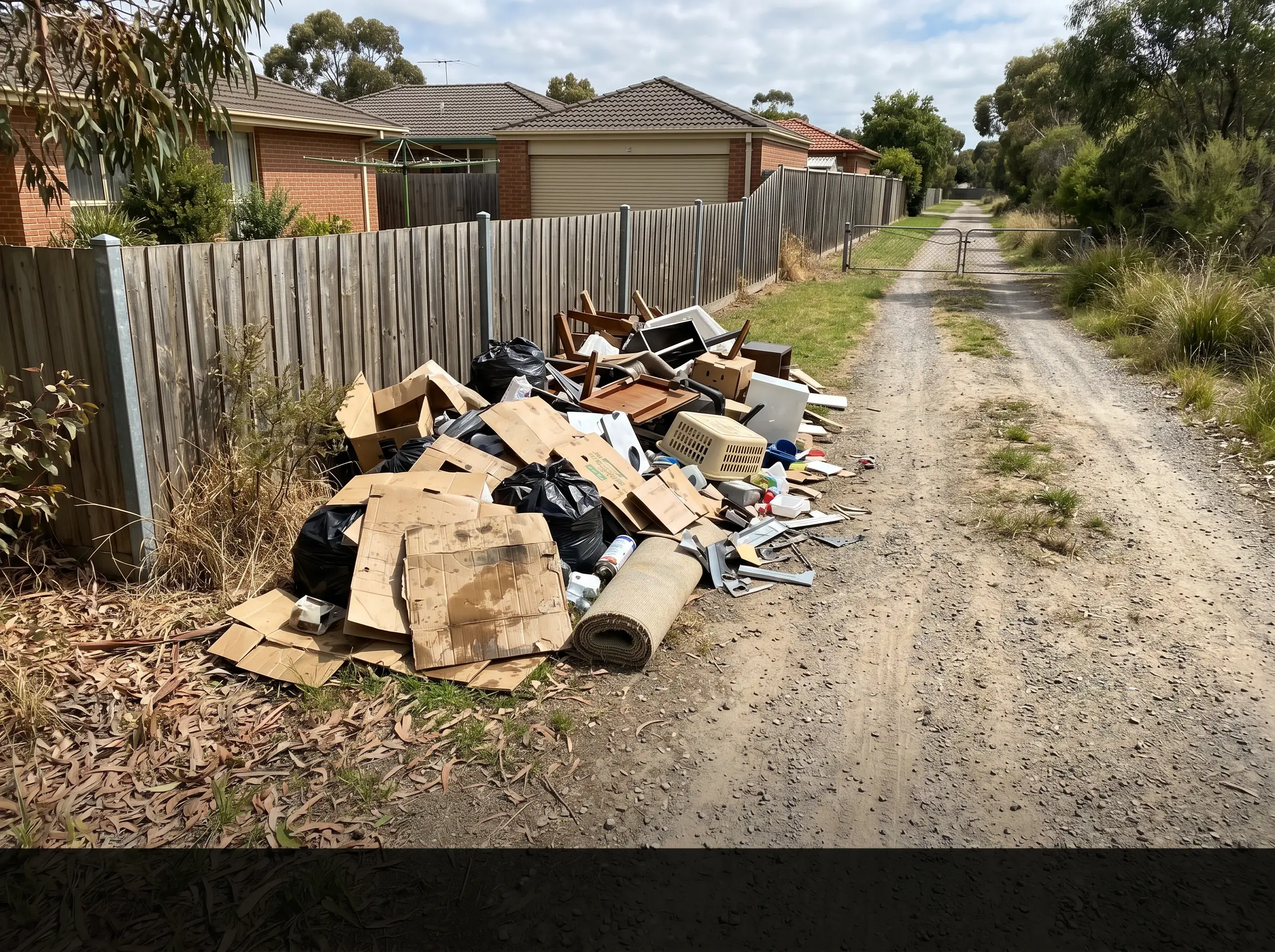
Illegal dumping on public land or open private place
Aero Ranger keeps the issue photos, place context, rule context and follow-up state together so the case can be checked later without rebuilding the record.
The issue photo stays on DUMP-11872 with the case note and current case status.
Site, street, reserve, bay, kerbside or zone context stays attached so reviewers can see where the issue occurred.
The relevant signage, permit condition, local-law category or operating rule is recorded beside the issue evidence.
Later photos, reinspection notes, notice evidence and closure decisions remain in the same case trail.
Illegal dumping is part clean-up job and part investigation. Council teams need to make the site safe, preserve useful evidence, decide whether responsibility can be established, arrange collection and report cost and repeat-location pressure.
Record the location, waste type, public health or environmental risk, whether urgent clean-up is needed and whether the material should be left briefly for investigation.
Attach photos, witness details, vehicle information, nearby property context, prior incidents and any letters or public information requests sent to nearby residents.
Assign clean-up work, record disposal and contractor costs, issue notices where appropriate, and feed hotspot, access-control and signage decisions back into prevention planning.
Dumping type, estimated volume, hazard notes, materials observed, officer priority and whether the site needs urgent clean-up.
GPS pin, street address, asset, reserve, ward, landowner context and nearby camera or patrol coverage.
Photos, witness notes, vehicle sightings, registration details if available, inspection notes and chain-of-evidence comments.
Contractor tasks, disposal details, cost estimate, invoice reference, notice status and recovery outcome.
Case status, responsible team, repeat location analysis, clean-up time, cost trends and repeat-offender context.
Teams can start with known dumping hotspots, configure evidence requirements, then standardise every incident from scene inspection to final outcome.
Map known dumping sites, high-risk roads, reserves, transfer station approaches and surveillance zones.
Record photos, video, waste classification, volume, GPS, timestamps and identifying materials on site.
Link people, properties, businesses or vehicles to the incident using field evidence and vehicle activity.
Branch through investigation, warning, infringement, clean-up order, prosecution brief or no-offender follow-up list.
Track clean-up costs, compliance windows, referrals, recovery outcomes and hotspot trends.
Once evidence, subjects, notices and case flows are working, related compliance categories can use the same platform model.
Use the same vehicle activity, dwell evidence and case-flow pattern for vehicles left in place.
Detect repeat stays, measure dwell and move matters into reviewable cases.
Apply structured field evidence to signs, nuisance, public land and permit breaches.
Monitor repeat vehicle activity around restricted sites, reserves or public land.
Share the short brochure with stakeholders, then use the procurement guide to frame requirements, governance, rollout and evaluation.
Bring a real dumping hotspot or recent incident and we will walk through evidence capture, offender identification, notices, case flow and reporting.
Technology procurement guide
Use your organisation or government email address. Your guide will be ready to open as soon as the form is submitted.

