Bring parking, permits, inspections, evidence and reporting into one practical council workflow.
Complaints can be subjective
Noise reports need careful wording, time, place, vehicle description and corroborating observations before escalation.
Aero Ranger helps councils and authorised teams manage vehicle noise complaints by linking reports, vehicle observations, location context, repeat activity, evidence, referral actions and outcome reporting in one case workflow.
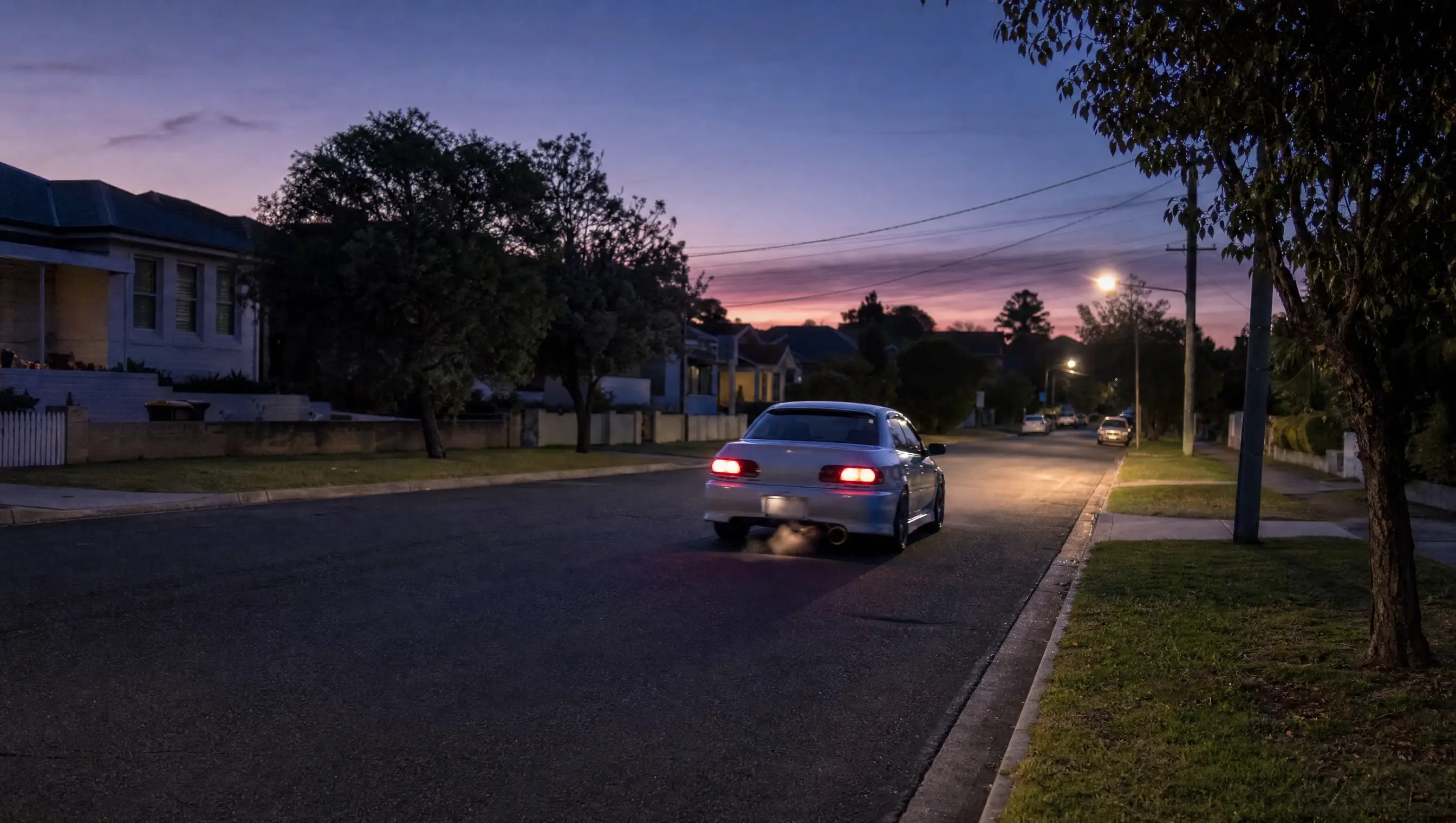
Aero Ranger helps councils and authorised teams manage vehicle noise complaints by linking reports, vehicle observations, location context, repeat activity, evidence, referral actions and outcome reporting in one case workflow.
A vehicle noise complaint can start with incomplete details and strong concerns.
Partial descriptions. Different locations. Repeat reports. Several teams that may need to respond.
AeroRanger connects the workflow. Record the complaint. Review vehicle context. Check repeat patterns. Assign action or referral. Record the outcome.
Keep the reported time, location, observations and relevant evidence together. Separate the original complaint from what officers actually observed and checked.
Back in CORE, review repeat streets, peak periods and open follow-ups with the supporting records.
Keep referral actions and decisions attached, so the complaint's context survives each handoff between teams.
Bring a vehicle-noise complaint process. We'll show your team the workflow. AeroRanger. Book your complaint management demo.
Vehicle noise complaints can involve residents, roads teams, police, EPA or transport agencies. The workflow needs to record what was reported, what was observed and whether council action, education or referral is appropriate.
Noise reports need careful wording, time, place, vehicle description and corroborating observations before escalation.
Residents may provide a colour, make, direction, sound pattern or partial plate rather than a complete record.
A single complaint may not be enough, but repeated reports at the same time, street or vehicle can guide patrol and referral decisions.
Councils may need to coordinate with police, EPA or transport agencies, so referral history and closure reasons need to be clear.
The field app / iPhone and Android
Record the location, vehicle observations and site context during a visit. Keep findings with the complaint record for review and any appropriate referral.
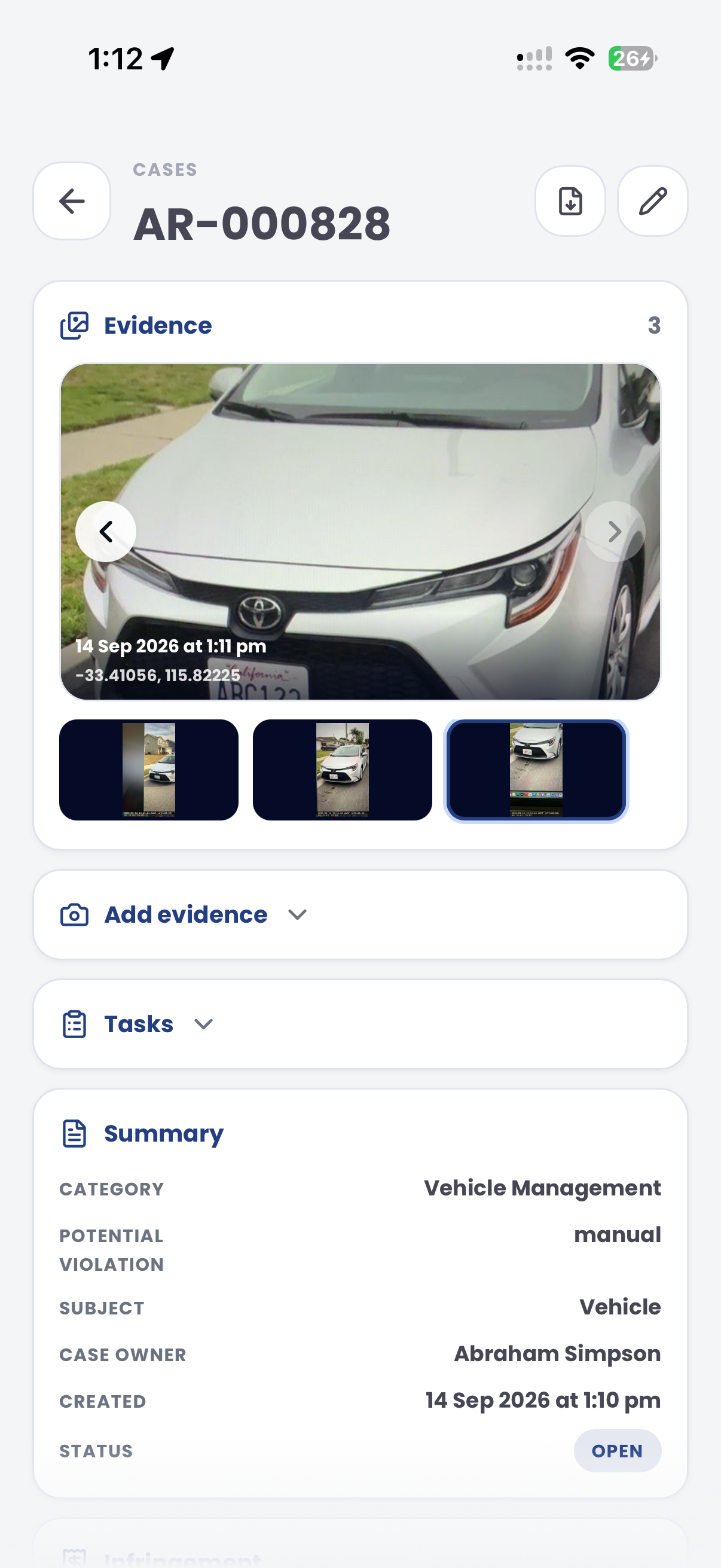
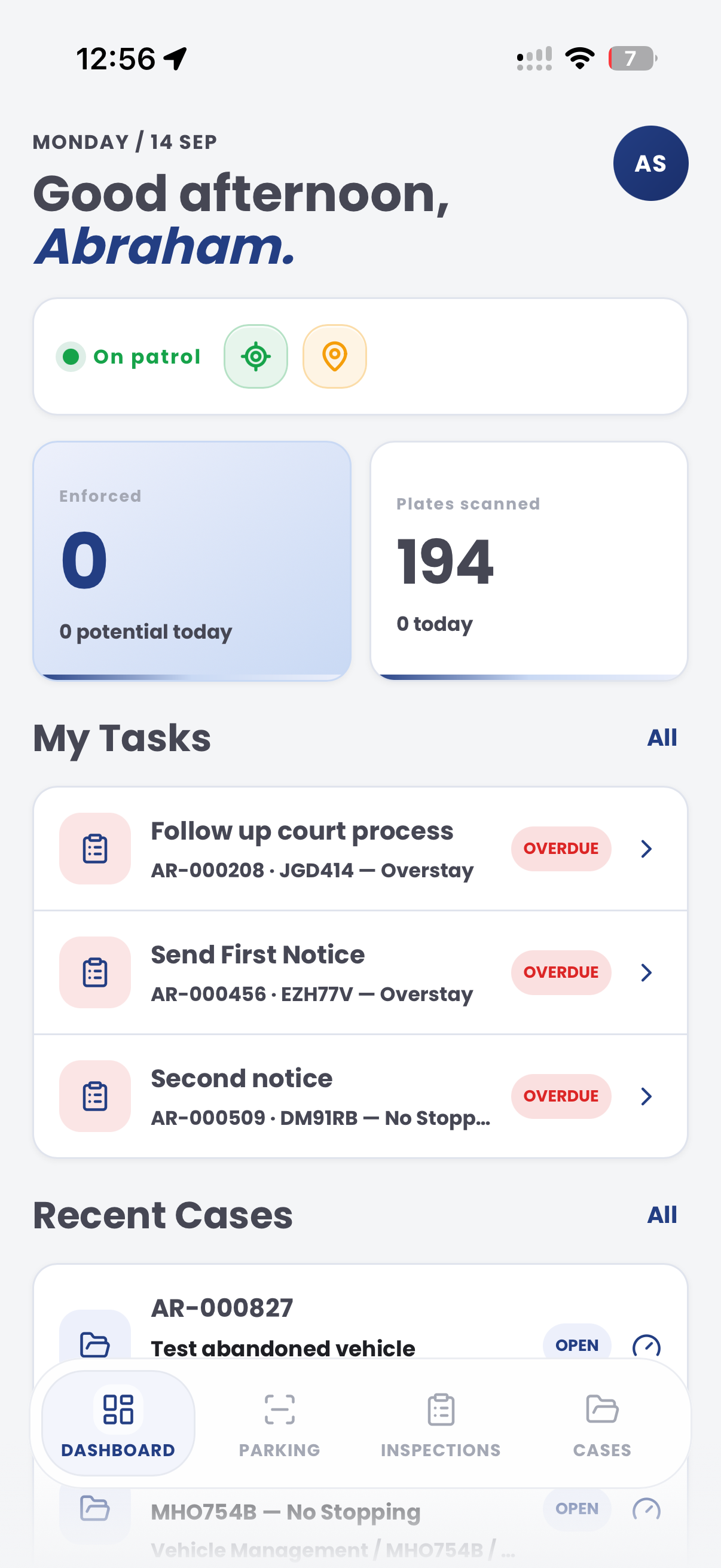
The useful question is not which feature exists. It is whether the team can see the place, rule, evidence, exception, next action and review history before making a decision.
Open vehicle noise complaints with fields for location, time, vehicle description, reporter notes, repeat history and priority.
Cases, custom fields, contact notes, tasks and intake templates.Attach plate reads where available, photos, vehicle descriptions, officer observations and repeat sightings to the same matter.
ANPR records, vehicle history, field photos, notes and evidence timeline.Review complaint hotspots, peak periods, repeat streets and patrol coverage to decide where follow-up should happen.
Intel zones, time analysis, maps, saved views and exports.Track police, EPA, transport, inspection or internal referral actions without losing the original complaint context.
External actions, status automation, documents and audit history.Keep resident details, vehicle observations and supporting evidence controlled so teams collect only what is needed for the workflow.
Roles, access controls, evidence packages, exports and audit logs.Report received, monitored, referred, inspected, unresolved and closed outcomes by area, time and repeat vehicle context.
Case queues, Intel dashboards, exports and management reports.Teams need the report, vehicle description, place, time, repeat pattern, supporting evidence and outcome decision visible together.
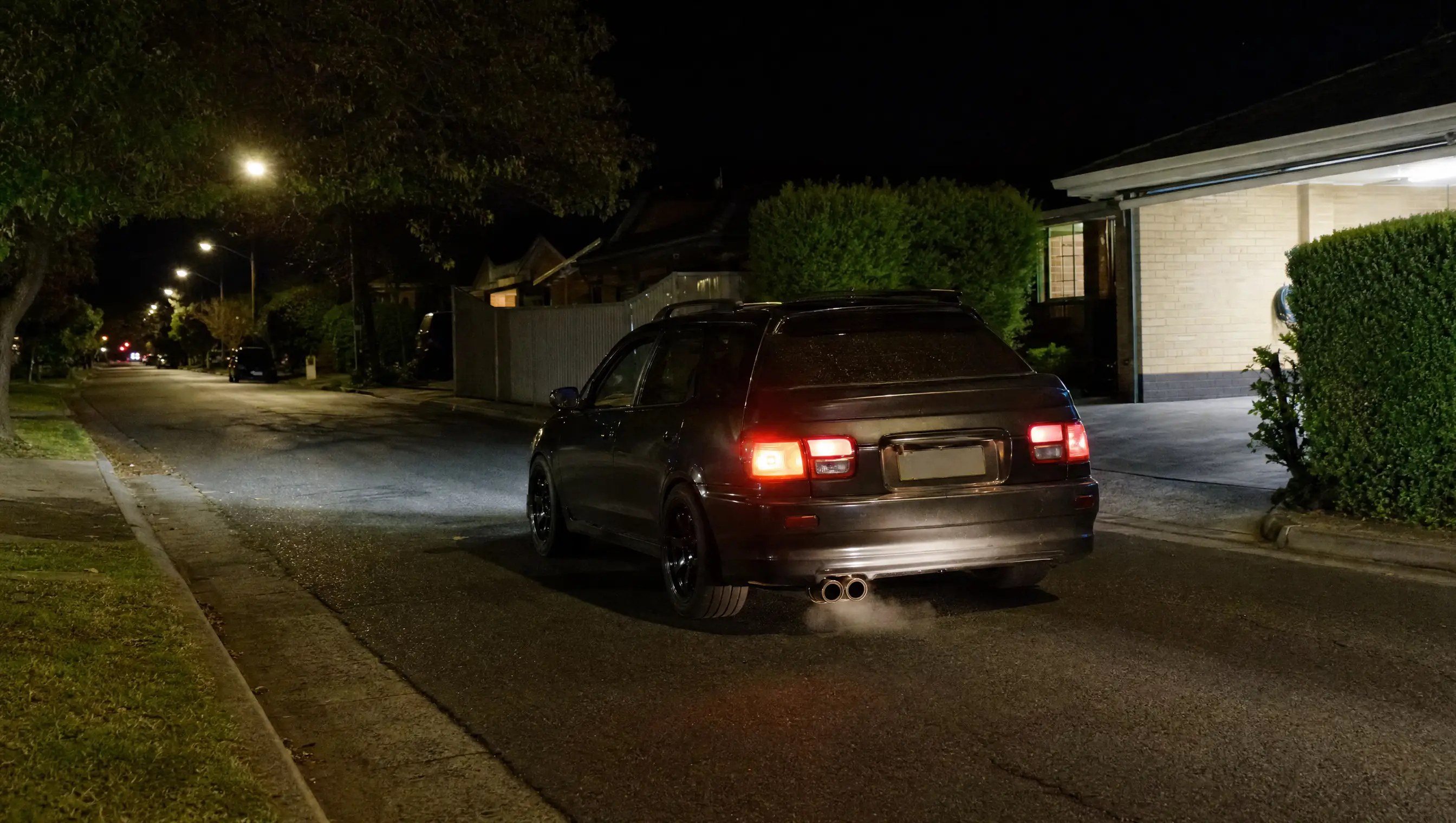
Record who reported the issue, when it occurred, what was heard, where it happened and whether there are repeat reports.
Link vehicle description, plate where available, photos, sightings, repeat movement and officer observations to the case.
Track education, patrol review, police or EPA referral, inspection request, closure reason and follow-up notes.
A vehicle noise complaint case keeps report intake, vehicle context, repeat activity, referral actions and closure reasons together.
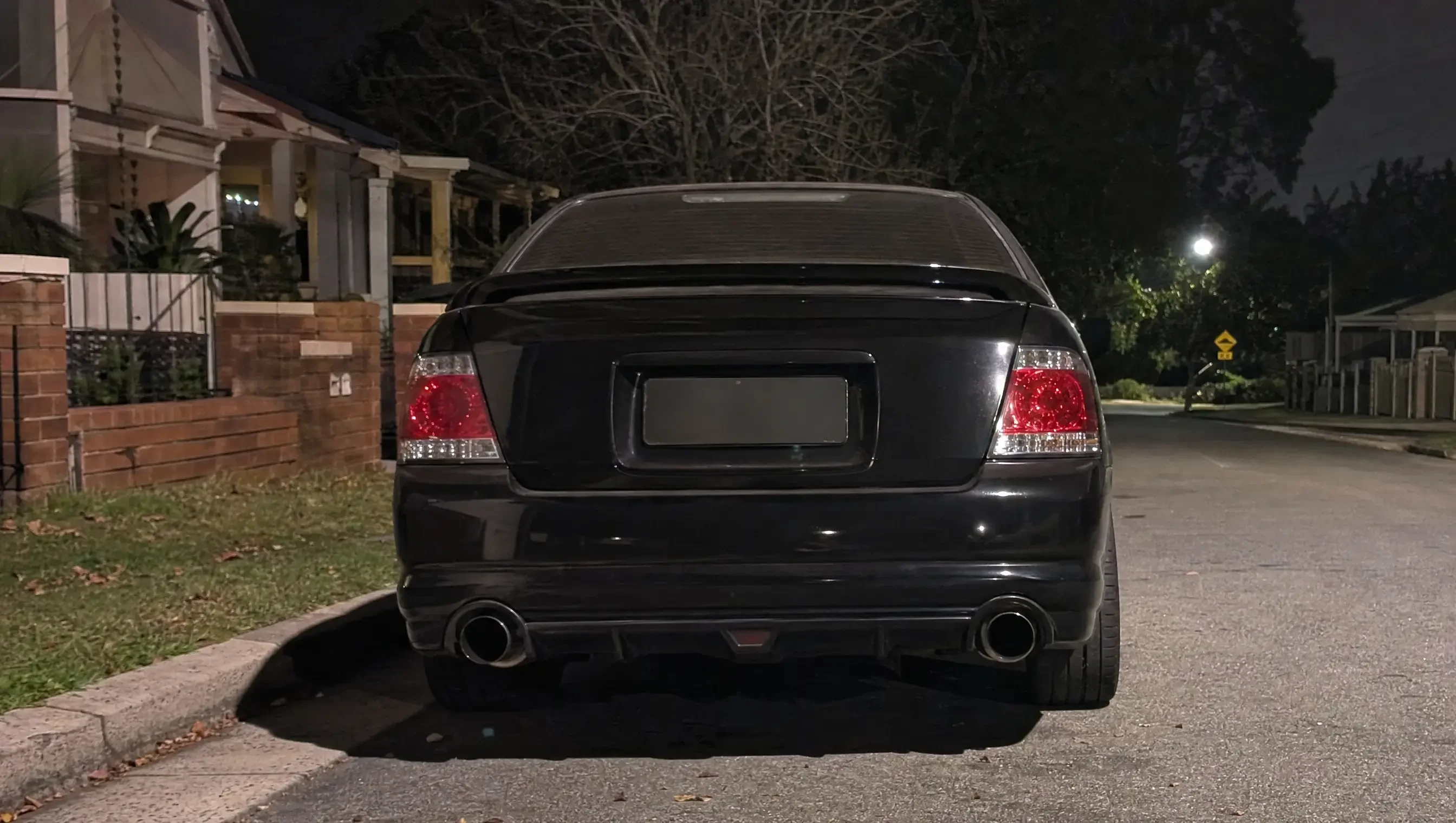
Reported vehicle noise and modified exhaust complaint pathway
Aero Ranger keeps the issue photos, place context, rule context and follow-up state together so the case can be checked later without rebuilding the record.
The issue photo stays on VN-90357 with the case note and current case status.
Site, street, reserve, bay, kerbside or zone context stays attached so reviewers can see where the issue occurred.
The relevant signage, permit condition, local-law category or operating rule is recorded beside the issue evidence.
Later photos, reinspection notes, notice evidence and closure decisions remain in the same case trail.
In CORE, vehicle noise complaints work best as a complaint-led case type that connects intake, vehicle context, repeated activity, evidence, referral actions and reporting without overstating what the evidence shows.
Reporter note, location, time, impact, vehicle description, direction of travel and supporting material.
Plate where available, make, colour, photos, sightings, street segment, hotspot area and repeat report history.
New, needs more detail, patrol review, referred, inspected, duplicate, insufficient evidence or closed.
Call-back, patrol task, education note, police referral, EPA referral, transport referral, inspection request or closure reason.
Who reviewed the complaint, what evidence was attached, what referral was made and what outcome followed.
Start with resident complaint intake and repeat-location review, then connect evidence, patrol observations and referral actions where appropriate.
Capture time, place, vehicle description, reporter note, impact, repeat history and any evidence provided.
Link sightings, photos, partial plate, make, colour, direction of travel and patrol observations where available.
Compare location, time window, similar descriptions and prior cases before assigning follow-up.
Assign patrol review, contact the reporter, educate, refer to the relevant authority or close with a clear reason.
Export complaint volumes, hotspot streets, repeat vehicles, referral status and closure reasons for managers.
Once complaint intake, vehicle history, evidence and referral pathways are configured, related amenity and traffic matters can reuse the same model.
Use vehicle type, route, time and repeat-location review for amenity and road-use concerns.
Use governed lists and alerts where a vehicle is authorised for ongoing monitoring.
Review complaint-led transport activity around ranks, pickup zones and event areas.
Report complaint load, response work and referral outcomes by officer, area or period.
Share the short brochure with stakeholders, then use the procurement guide to frame requirements, governance, rollout and evaluation.
Bring a real complaint-led scenario and we will map intake, vehicle context, repeat activity, evidence, referral actions and reporting.
Technology procurement guide
Use your organisation or government email address. Your guide will be ready to open as soon as the form is submitted.

