Bring parking, permits, inspections, evidence and reporting into one practical council workflow.
The site changes quickly
Timber, machinery and vehicles may leave before separate photographs and notes can be assembled into a usable record.
Aero Ranger helps authorised teams keep field reports, photographs, mapped locations, vehicles, inspections, referrals and follow-up actions together while suspected firewood removal is reviewed.
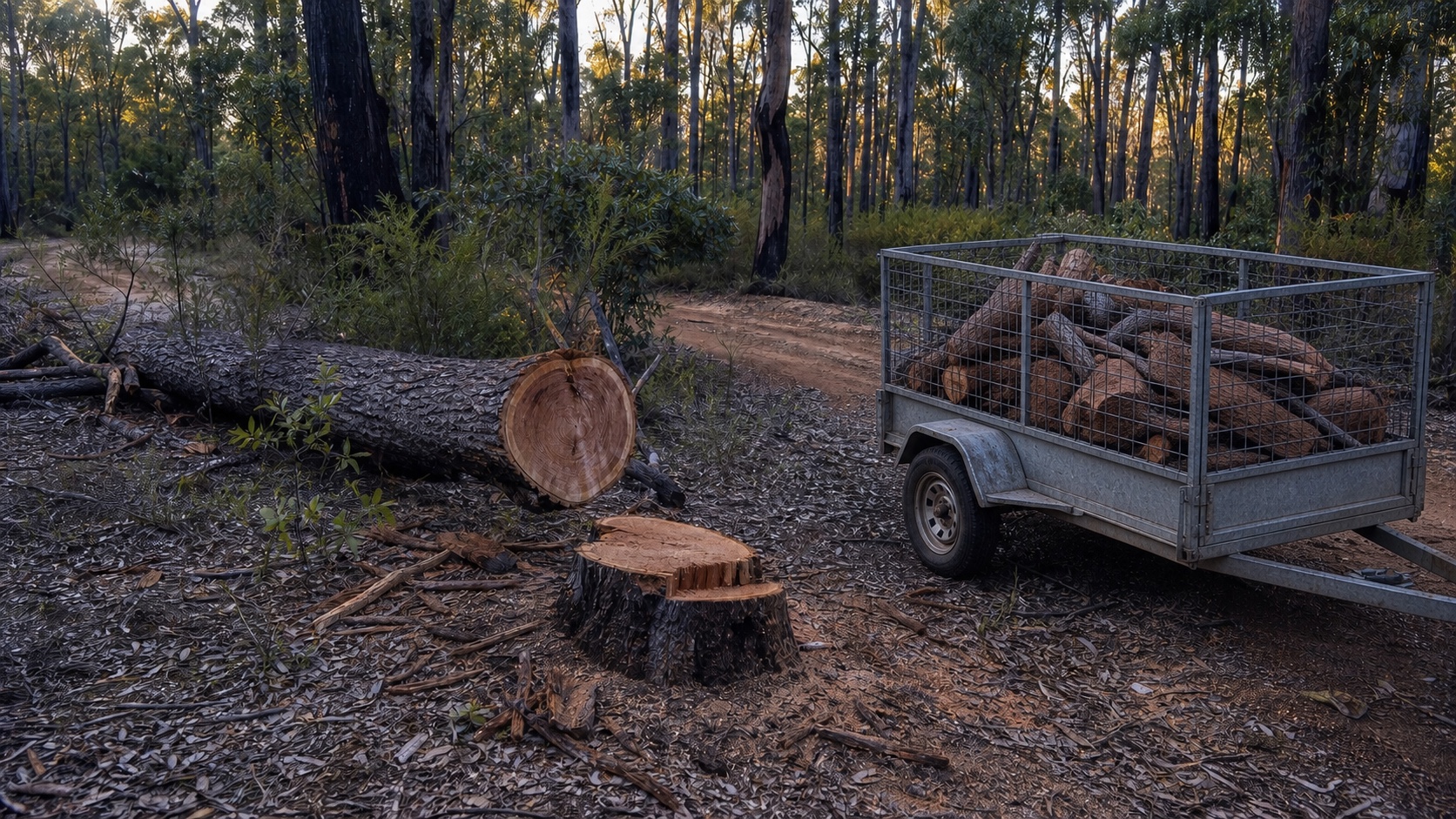
A felled tree, trailer of split wood or public report is a starting point, not proof of an offence. Teams need a reliable record of the stump, timber, location, vehicle and reserve context before an authorised officer decides the next step.
Timber, machinery and vehicles may leave before separate photographs and notes can be assembled into a usable record.
Ownership, permits, exemptions and agency responsibility may need to be checked before the work can be classified.
Council, environmental, forestry, land-management or police referrals can fragment the history when handovers are not recorded.
Directions, replanting, erosion controls, contractor work and reinspections need due dates and evidence of completion.
The useful question is not which feature exists. It is whether the team can see the place, rule, evidence, exception, next action and review history before making a decision.
Capture the site, affected vegetation, access route, nearby boundaries, machinery and observations in a consistent inspection record.
Photos, notes, timestamps, mapped location and officer attribution.Link the matter to the relevant property, reserve, permit, approval, exemption or responsible organisation.
Permit records, subjects, documents and mapped operating areas.Assign inspections, information requests, agency referrals, remediation checks and management review without losing the original evidence.
Case tasks, due dates, ownership, correspondence and status history.Present the available evidence and rule context to the officer responsible for recording the outcome.
Human review, delegated access, decision notes and audit history.Record the felled tree, stump, cut timber, trailer or vehicle, access track, reserve boundary and any immediate environmental or public-safety concern.
Record the mapped location, land or reserve, access point, affected area and condition observed at the time of inspection.
Check relevant permits, approvals, exemptions, ownership information and jurisdiction before deciding the next step.
Keep photographs, notes, witnesses, vehicles, machinery, correspondence, referrals and remediation actions on the same case.
A contextual CORE view keeps the case, rule, evidence, workflow status and next action together.
Felled Jarrah and caged trailer of rough logs beside reserve track
09:18 · City of Utopia reserve boundary
Permit, exemption and jurisdiction review required
Aero Ranger keeps the issue photos, place context, rule context and follow-up state together so the case can be checked later without rebuilding the record.
The issue photo stays on TREE-10427 with the case note and current case status.
Site, street, reserve, bay, kerbside or zone context stays attached so reviewers can see where the issue occurred.
The relevant signage, permit condition, local-law category or operating rule is recorded beside the issue evidence.
Later photos, reinspection notes, notice evidence and closure decisions remain in the same case trail.
In CORE, this challenge works best as a repeatable compliance workflow that keeps field activity, evidence, review decisions, tasks and reporting tied to one operational record.
Capture the subject, location, rule context, category, priority and responsible team before follow-up begins.
Keep photos, notes, timestamps, vehicle reads, inspections and documents attached to the same record.
Track due dates, inspections, notices, approvals, referrals, closures and escalation decisions.
Record who did what, when, why and what outcome followed so managers can review the workflow later.
A repeatable process helps teams preserve evidence while applying the legislation, delegation and operating policy relevant to their jurisdiction.
Create the matter, confirm the site and record any immediate safety or environmental concern.
Photograph the clearing, vegetation, stumps, access points, machinery and identifying context without treating an observation as proof.
Review ownership, permits, approvals, exemptions, boundaries and the agency or legislation responsible for the matter.
Attach people, organisations, vehicles, documents and witness information, then refer the matter where another authority is responsible.
Document education, no further action, remediation, notice, referral or formal action as decided by an authorised officer.
The same evidence-led model can support vegetation permits, illegal dumping, reserve damage and unauthorised works.
Connect approved works and permit conditions to later inspections.
Manage environmental evidence, subjects, clean-up work and referrals.
Record damage to public land, assets, tracks and vegetation.
Review works undertaken without the required approval or outside approved conditions.
Share the short brochure with stakeholders, then use the procurement guide to frame requirements, governance, rollout and evaluation.
Bring an example workflow and we will show how observations, permit context, inspections, referrals, remediation and human decisions can remain connected.
Technology procurement guide
Use your organisation or government email address. Your guide will be ready to open as soon as the form is submitted.

