Bring parking, permits, inspections, evidence and reporting into one practical council workflow.
Documenting duration
Officers often need multiple photos, chalk marks or rechecks days apart to demonstrate the vehicle has not moved.
Aero Ranger helps councils detect vehicles that may not have moved, document duration with ANPR and GPS evidence, open vehicle-management cases, render notices and track follow-up through to removal or closure.
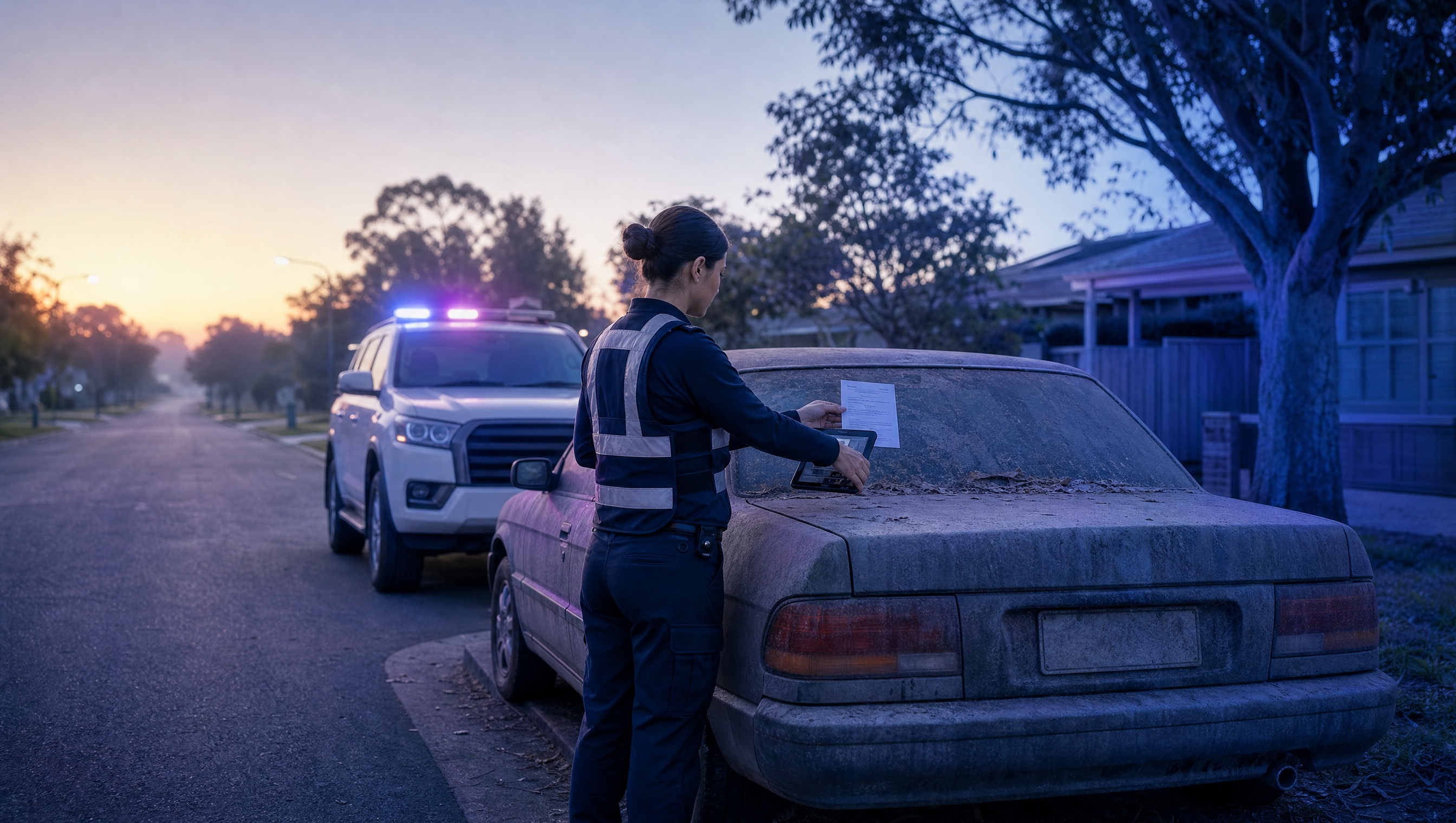
Aero Ranger helps councils detect vehicles that may not have moved, document duration with ANPR and GPS evidence, open vehicle-management cases, render notices and track follow-up through to removal or closure.
A vehicle that hasn't moved needs more than a single photograph.
Repeat visits. Unclear duration. Ownership checks. Notices and follow-ups to coordinate.
AeroRanger connects the record. Define monitoring areas. Capture sightings. Review dwell alerts. Inspect the vehicle. Assign the next check.
Keep dated photos, location and officer observations together. Review the vehicle's history and relevant registration information before deciding on the appropriate action.
Back in CORE, see open matters, scheduled rechecks and recorded outcomes without losing the original context.
From monitoring and notices to removal or closure, every step stays with the vehicle case.
Bring a vehicle-management case. We'll show your team the workflow. AeroRanger. Book your abandoned vehicle demo.
Abandoned vehicle enforcement often depends on multiple visits, owner lookups, notices and towing follow-up. The workflow needs to document the observation clearly: the vehicle appears not to have moved.
Officers often need multiple photos, chalk marks or rechecks days apart to demonstrate the vehicle has not moved.
Inspect, record, return, issue notice, return again can create three to five visits per case.
Expired registration, no plates or mismatched plates can require transport, police or manual lookup steps.
Vehicles can remain for weeks while notices, reinspections, tow logistics and disposal decisions move through the process.
The field app / iPhone and Android
Record vehicle condition, location and inspection photos on site. Keep initial observations and rechecks together for the team managing the matter.
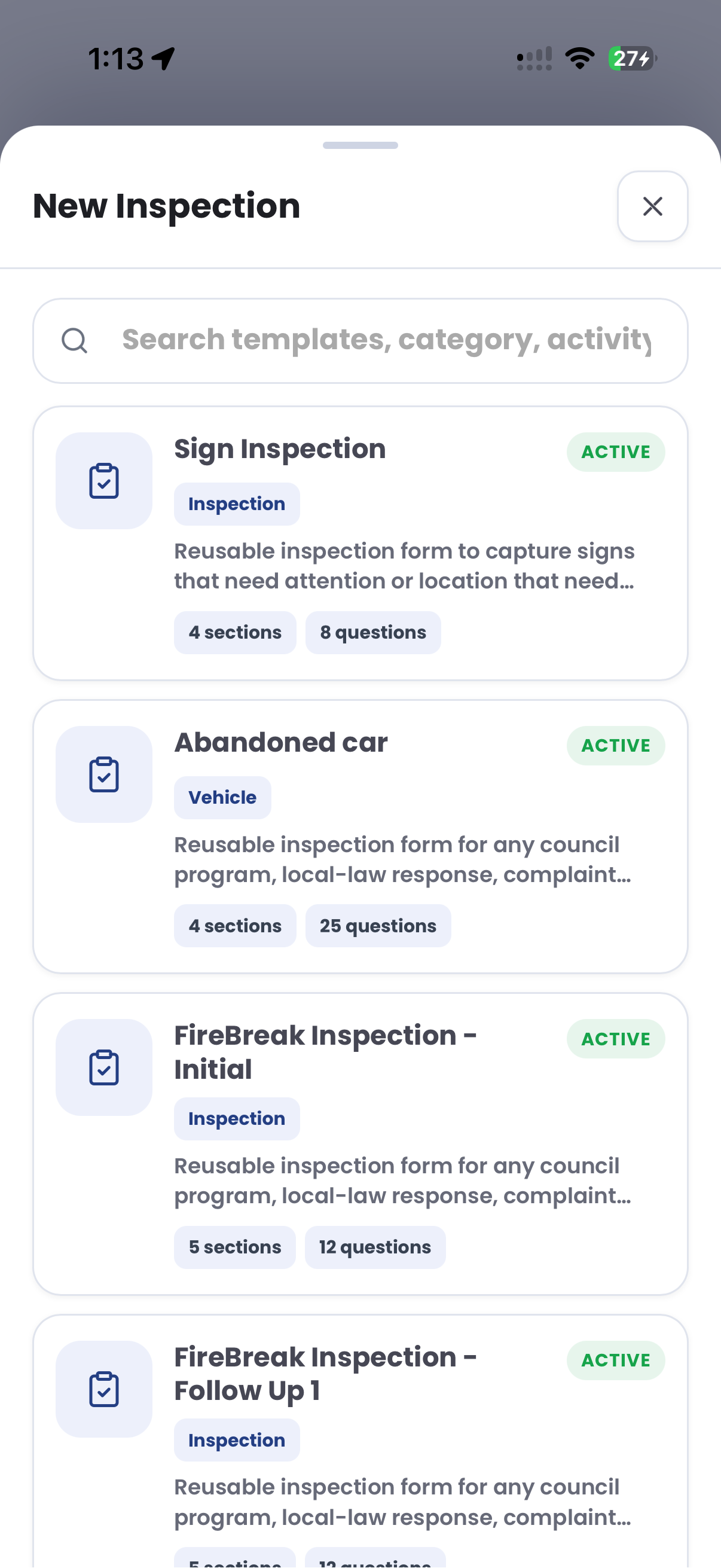
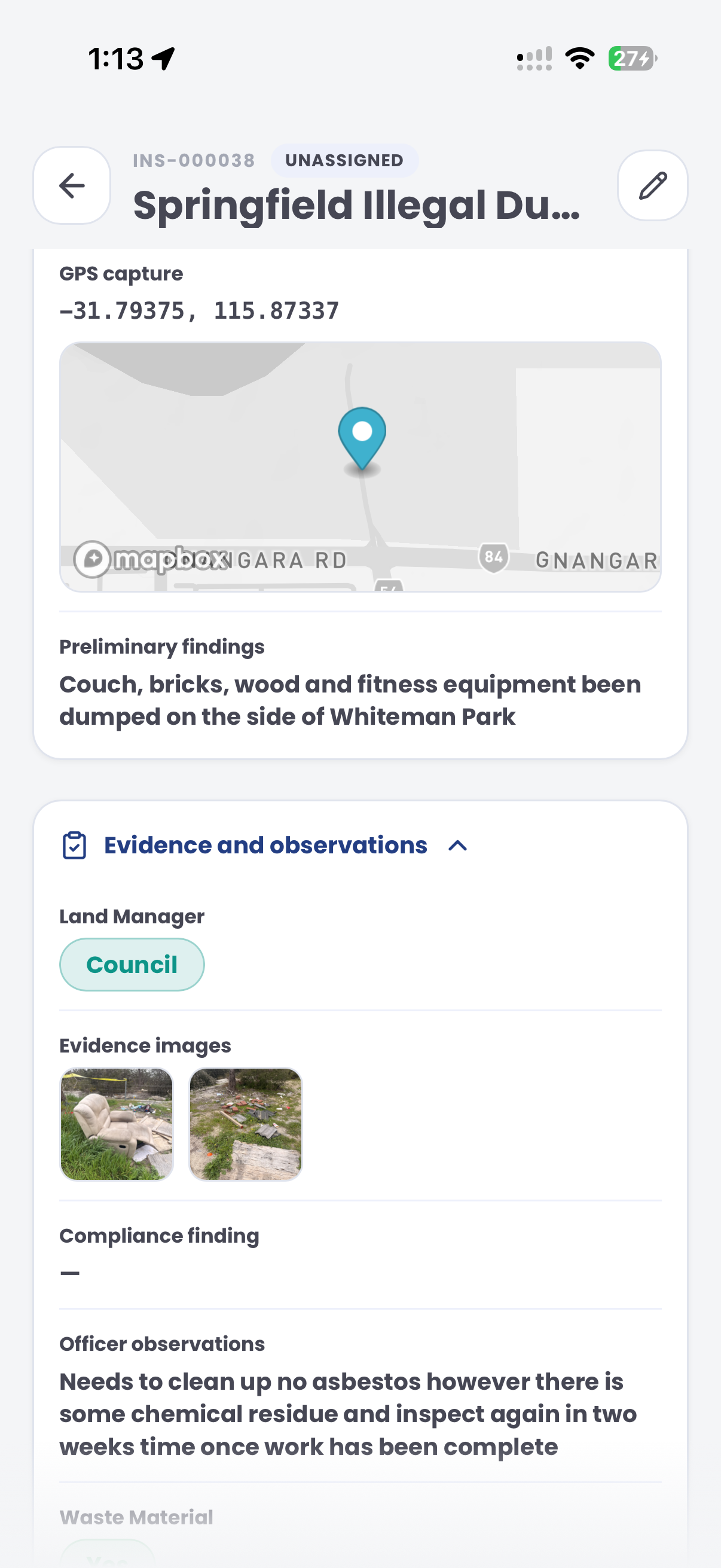
The useful question is not which feature exists. It is whether the team can see the place, rule, evidence, exception, next action and review history before making a decision.
Create abandoned vehicle rules that flag vehicles exceeding configured thresholds in selected zones.
Alert rules, dwell threshold, look-back windows, departure grace and in-vehicle delivery.Open each vehicle into a repeatable flow from initial inspection through monitoring, notice, enforcement and closure.
Cases, case flows, stages, statuses, tasks and audit history.Use timestamped, GPS-linked sightings and images to support review of whether the vehicle has moved.
ANPR records, vehicle replay, inspection photos and evidence packages.Use scheduled or batch lookups to identify owner details and apply responses back to cases.
Integrations, enrichment, registration lookups and case updates.Render notices from case data, plate details, legal references and evidence images without copy-paste.
Document builder, local-law register, enforcement templates and exports.Review clusters, towing and storage costs, disposal outcomes, resolution time and repeat locations.
Intel dashboards, hotspot analysis, cost reporting and exports.Abandoned vehicle compliance needs first sighting, location, vehicle identity, repeat observations, inspection outcome and notice status connected in one case.
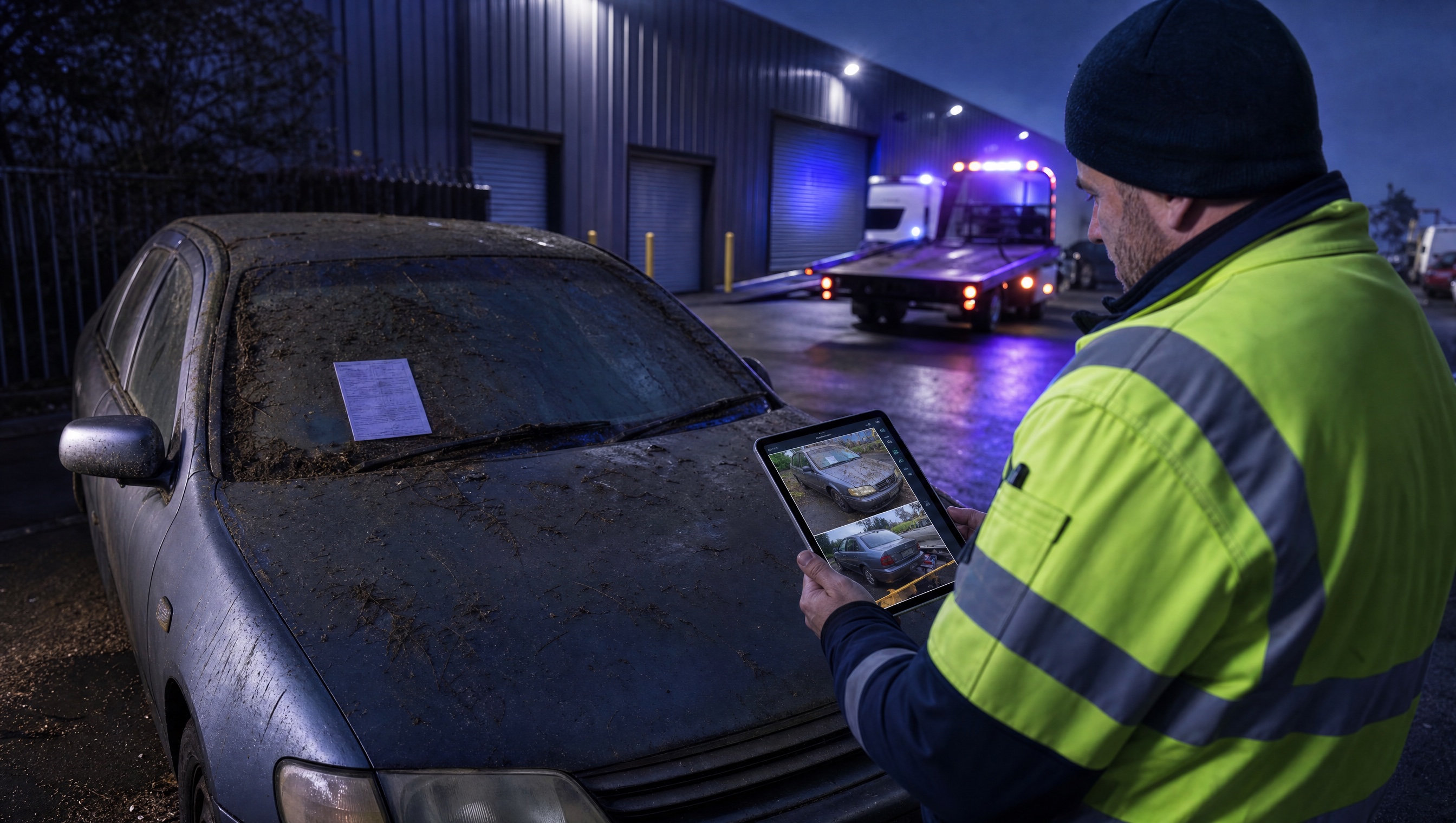
Use first sighting, repeat scans, GPS and time windows to show how long the vehicle has remained.
Attach plate records, registration lookups, inspection findings, photos and owner details to the case.
Track notices, statutory windows, reinspections, tow logistics, disposal, cost and closure.
An abandoned vehicle case keeps the inspection, notice, owner check, removal approval and contractor task attached to the same record.
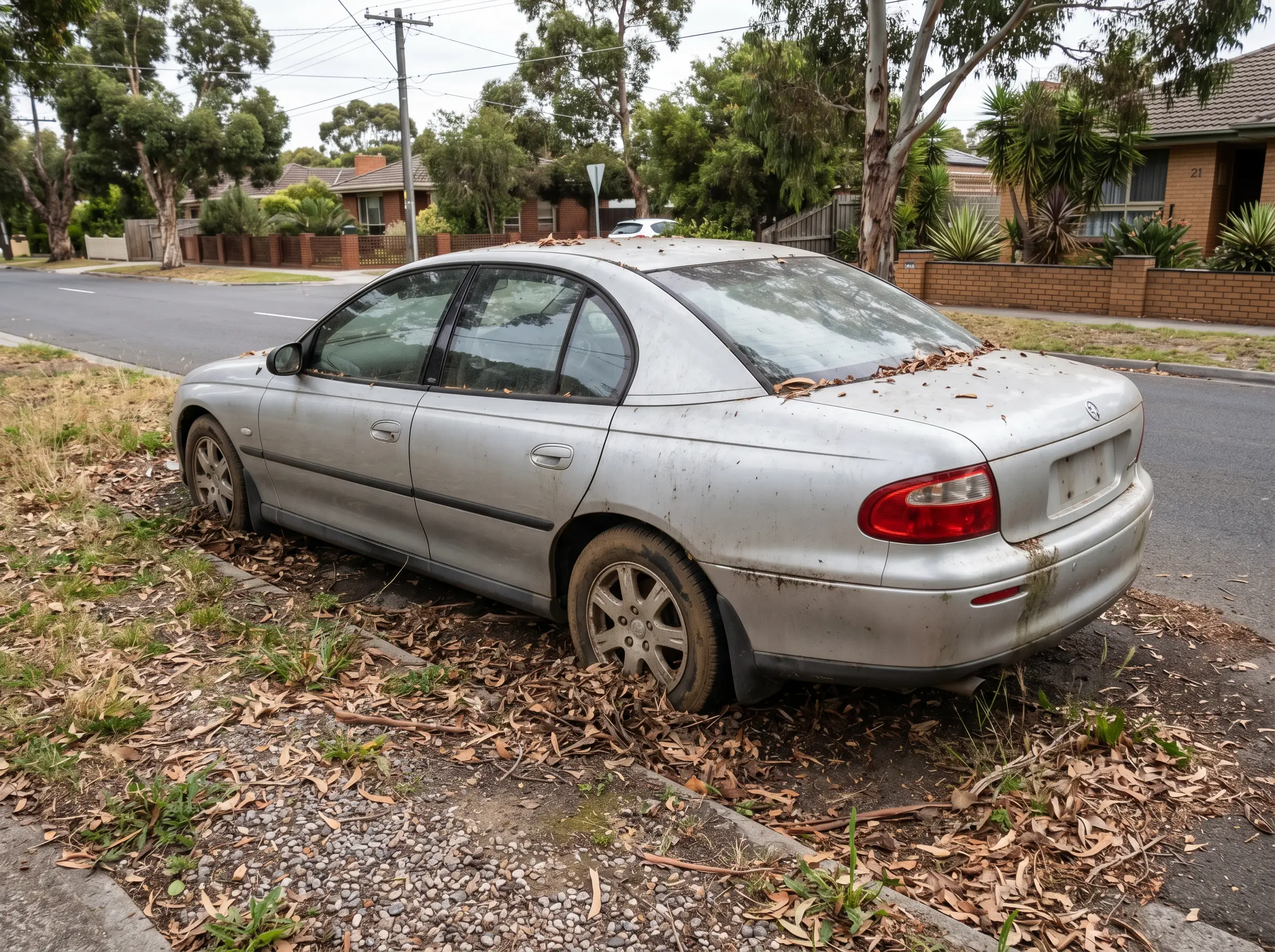
Removal and impounding of abandoned vehicle wrecks
Aero Ranger keeps the issue photos, place context, rule context and follow-up state together so the case can be checked later without rebuilding the record.
The issue photo stays on AV-70216 with the case note and current case status.
Site, street, reserve, bay, kerbside or zone context stays attached so reviewers can see where the issue occurred.
The relevant signage, permit condition, local-law category or operating rule is recorded beside the issue evidence.
Later photos, reinspection notes, notice evidence and closure decisions remain in the same case trail.
Abandoned vehicle work usually starts with a resident report or patrol sighting. The practical question is whether the vehicle is simply parked, unattended, unregistered, hazardous or ready for a formal notice and removal pathway.
Record the plate, make, colour, condition, location context, road safety risk and whether the vehicle is registered or likely to be stolen or of interest to police.
Place or send the required notice, record notice photos, track expiry and schedule a reinspection to confirm whether the vehicle moved or was claimed.
Escalate hazardous or expired matters for approval, assign tow or impound work, record release or disposal, and keep the full decision trail for later review.
Rego, make, orientation, colour, VIN if visible, registration status and any risk or hazard indicators.
GPS pin, street address, asset, zone, ward, first observed position and whether the vehicle moved between checks.
Photos, officer notes, timestamps, notice photos, inspection outcomes and registration or owner-check results.
Abandoned, unregistered, hazardous, moved, claimed, notice expiry, reinspection due date and impound expiry.
Inspect, issue notice, contact owner, approve removal, tow, dispose, release, close and record who did what, when and why.
Teams can define hotspots and thresholds, let the platform flag candidates, then run every vehicle through a standard case flow.
Configure streets, station areas, industrial zones, beach car parks and dwell thresholds.
Use ANPR and GPS to record plate, time, location and vehicle context during normal patrols.
Flag vehicles that exceed the abandoned threshold and surface them to officers or dashboards.
Attach inspections, owner lookup, notices, statutory windows, rechecks and tow decisions.
Close removed vehicles, escalate non-compliance and report hotspots, cost and resolution time.
Once dwell evidence and case flows are working, the same patrol kit supports illegal camping, dumping, parking and local-law workflows.
Use shorter dwell thresholds and restricted zones for overnight stay compliance.
Pair vehicle activity with incident evidence around repeat dumping locations.
Extend ANPR capture into everyday parking compliance and permit checks.
Use case flow templates for other public land, street trading, signs and nuisance matters.
Share the short brochure with stakeholders, then use the procurement guide to frame requirements, governance, rollout and evaluation.
Bring a real patrol route and we will show dwell alerts, vehicle-management case flows, rendered notices and reporting.
Technology procurement guide
Use your organisation or government email address. Your guide will be ready to open as soon as the form is submitted.

