Bring parking, permits, inspections, evidence and reporting into one practical council workflow.
Evidence without context
A photo alone may not show where the issue occurred, which condition applied or what happened next.
Aero Ranger keeps traffic-control photos, notes, place context, review decisions and follow-up attached to the same operational case record.
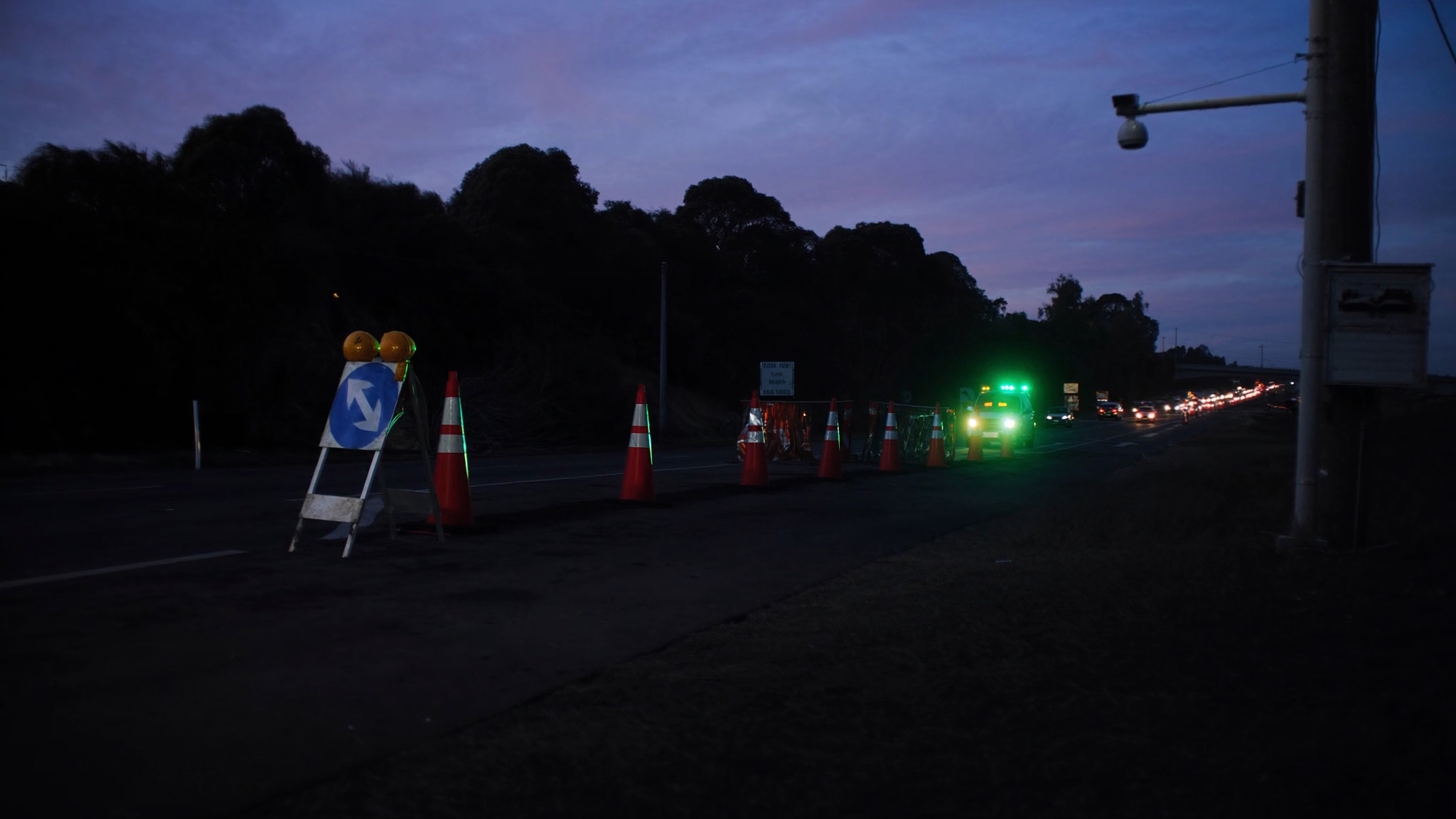
Field teams often work under pressure. A useful evidence record needs to show what was observed, where it occurred, which operating condition mattered and how the team responded.
A photo alone may not show where the issue occurred, which condition applied or what happened next.
Photos, notes and instructions can become disconnected when they move through messages and shared drives.
Follow-up slows when no one can see who owns the review or when the next action is due.
Later reviewers should not need to reconstruct the matter from staff memory or multiple exports.
The useful question is not which feature exists. It is whether the team can see the place, rule, evidence, exception, next action and review history before making a decision.
Attach photographs and observations of the actual site condition or traffic-control issue.
Original evidence, captions and case association.Keep mapped place, zone, date and time context beside the field observation.
Location, timestamps and operating-area context.Route evidence to an authorised person with the current status and decision fields visible.
Review queues, ownership and status.Assign the next action and preserve what the receiving person needs to know.
Tasks, due dates, notes and notifications.Retain later observations, review notes, decisions and closure in the same case trail.
Case timeline and audit history.Report workload, review outcomes and repeat issues from structured case records.
Intel, filters and exportable histories.The strongest operational record combines issue evidence with place, time, ownership, later actions and a person-led decision.
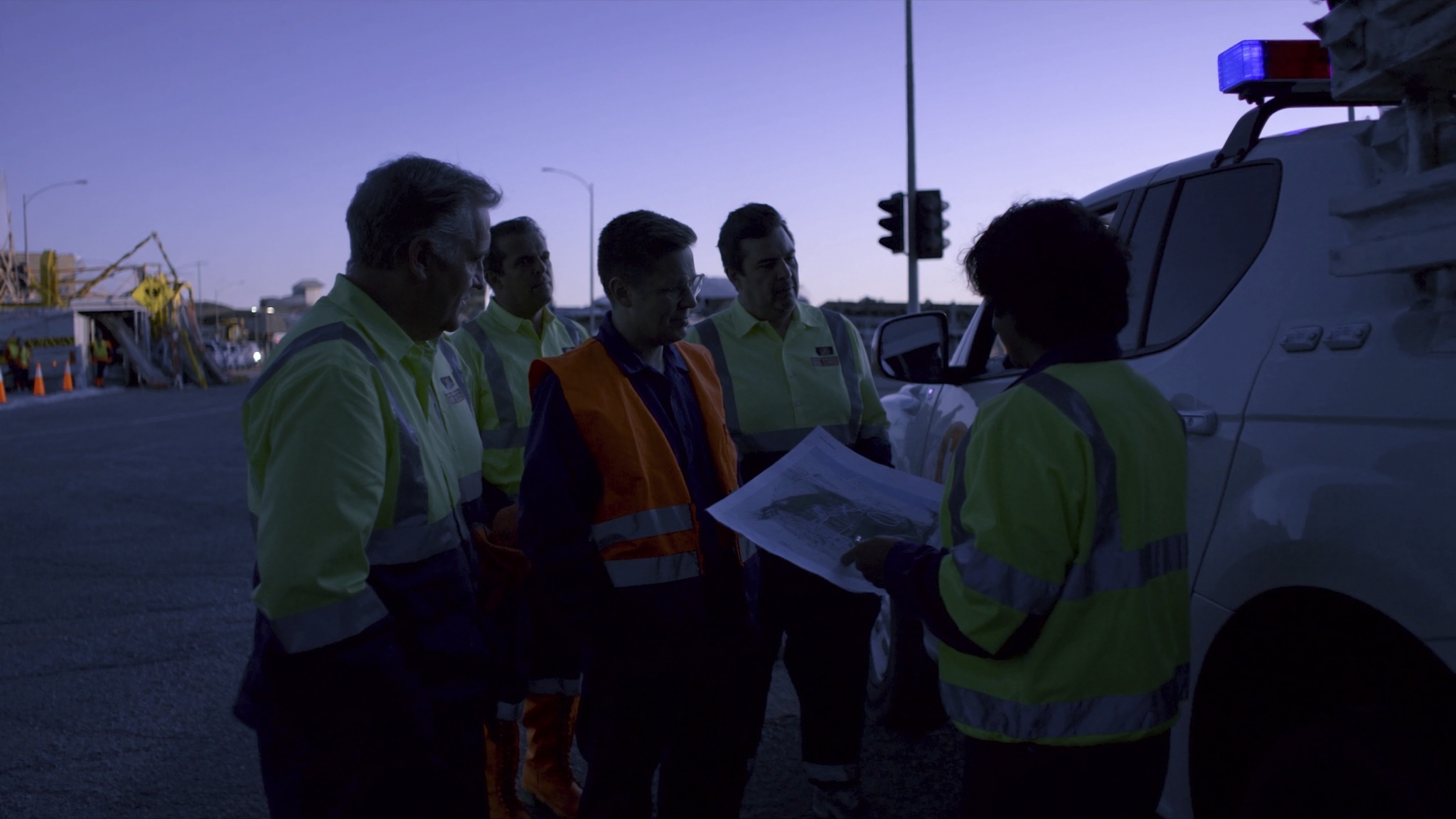
Show the actual field condition or activity rather than a generic operational image.
Keep the site, zone, location and timestamp attached to the issue record.
Record the reviewer, decision, reason, follow-up action and any later evidence.
The case view keeps the issue photo, place context, review status, owner and next action visible together.
Traffic-control arrangement requiring supervisor review
14:18 · Temporary works zone
Site plan, condition and follow-up check
Aero Ranger keeps the issue photos, place context, rule context and follow-up state together so the case can be checked later without rebuilding the record.
The issue photo stays on UT-TC-10431 with the case note and current case status.
Site, street, reserve, bay, kerbside or zone context stays attached so reviewers can see where the issue occurred.
The relevant signage, permit condition, local-law category or operating rule is recorded beside the issue evidence.
Later photos, reinspection notes, notice evidence and closure decisions remain in the same case trail.
In CORE, field evidence review works best as a controlled case workflow that keeps the issue, location, operating context, reviewer decision and follow-up history attached to one record.
Observed condition, site, zone, category, priority, date, time and responsible field team.
Issue photos, notes, documents and supporting operating context.
Assigned reviewer, current state, decision, reason, next action and due date.
Later evidence, completion notes, changes, closure state and full chronological audit history.
Use a consistent evidence standard, route the record to the right person and retain the reason behind each decision.
Record photographs and observations of the actual field condition with date, time and place context.
Add the relevant site instruction, schedule, plan, permit condition or configured rule.
Assign the record to the authorised supervisor or back-office reviewer.
Document the decision, reason, required action and responsibility for follow-up.
Keep later evidence, completion notes and closure state in the same chronological history.
Once capture and review are consistent, the same pattern can support works zones, event operations, airport access and client reporting.
Keep site conditions, inspection results and remedial actions together.
Transfer pending evidence reviews without losing ownership or context.
Record changing routes, access exceptions and follow-up during high-volume events.
Use structured records to explain activity and outcomes without rebuilding the history.
Bring an example observation and we will map capture, context, supervisor review, follow-up and reporting with your team.
Technology procurement guide
Use your organisation or government email address. Your guide will be ready to open as soon as the form is submitted.

