Bring parking, permits, inspections, evidence and reporting into one practical council workflow.
One route covers many asset types
Inspectors need the right questions without switching between disconnected forms.
Aero Ranger supports structured checks for benches, shelters, barbecues, bins, paths and other public reserve assets with evidence and follow-up.
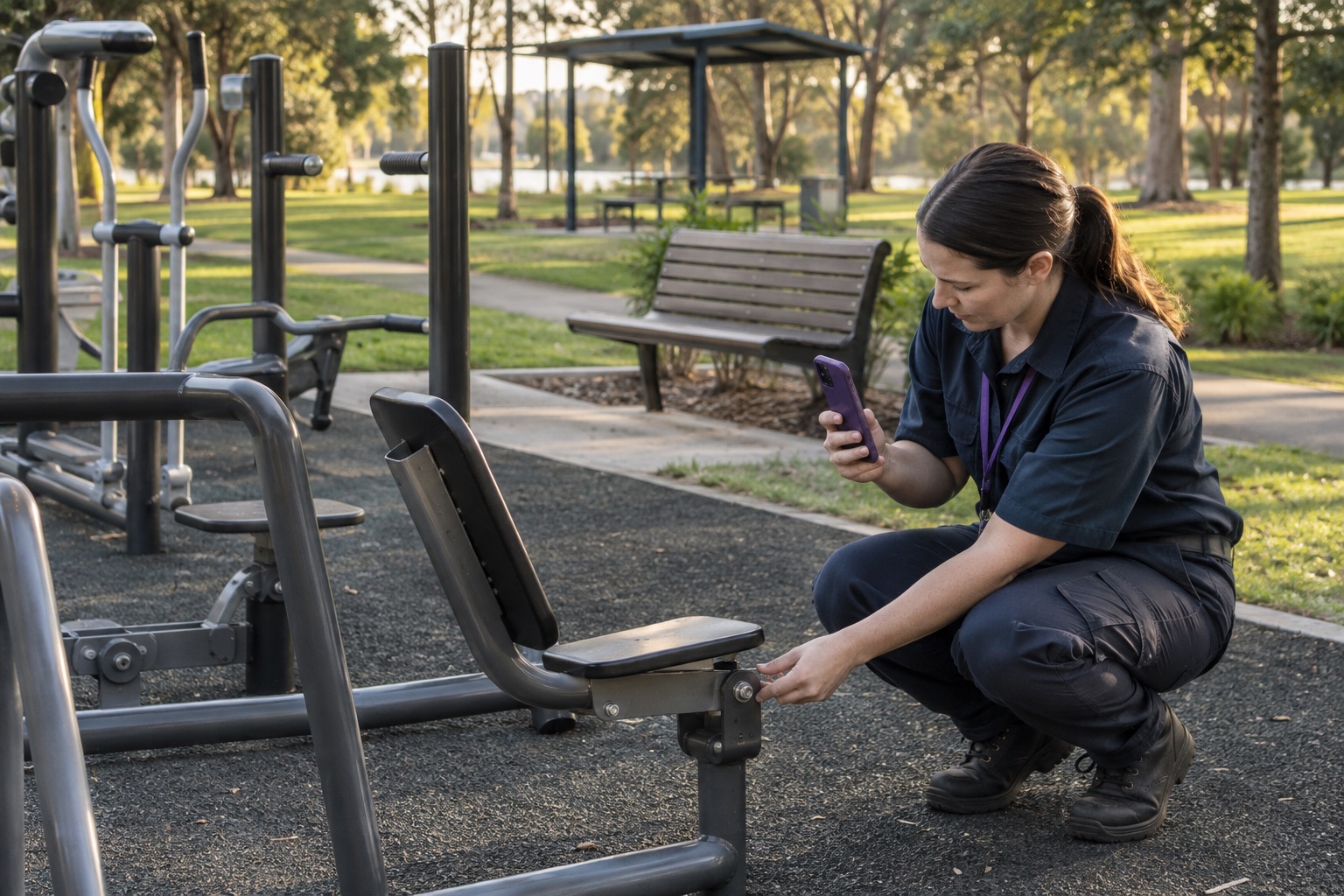
Benches, shelters, barbecues, bins, paths, signs and exercise equipment need different prompts but a consistent evidence and follow-up process.
Inspectors need the right questions without switching between disconnected forms.
Mapped asset context helps the next team find the place addressed by the observation.
A completed route does not mean every follow-up item has an owner and outcome.
The field app / iPhone and Android
Bring parking patrols, inspections, photos, GPS, tasks and cases into a connected mobile workflow. Capture the field record in PatrolLink and carry it into CORE for review.
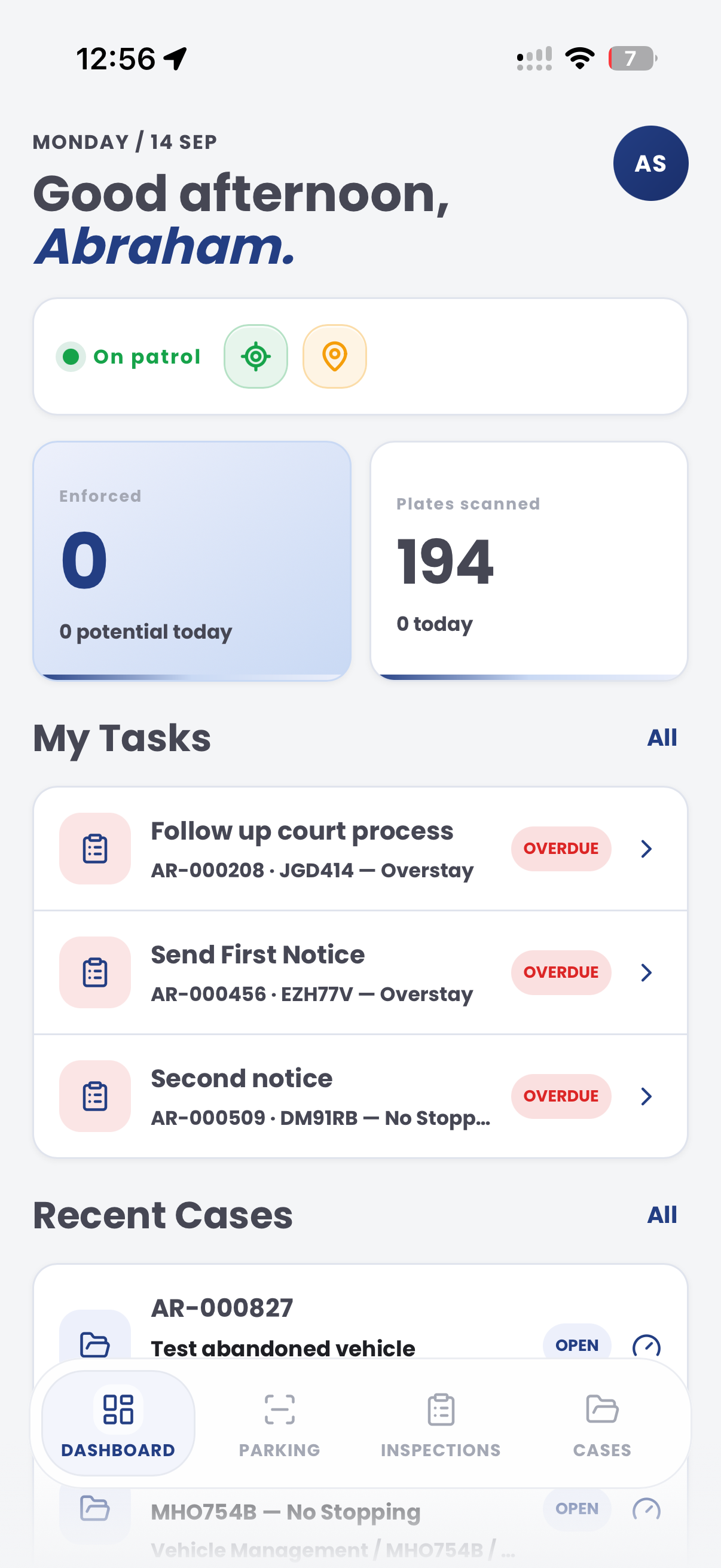
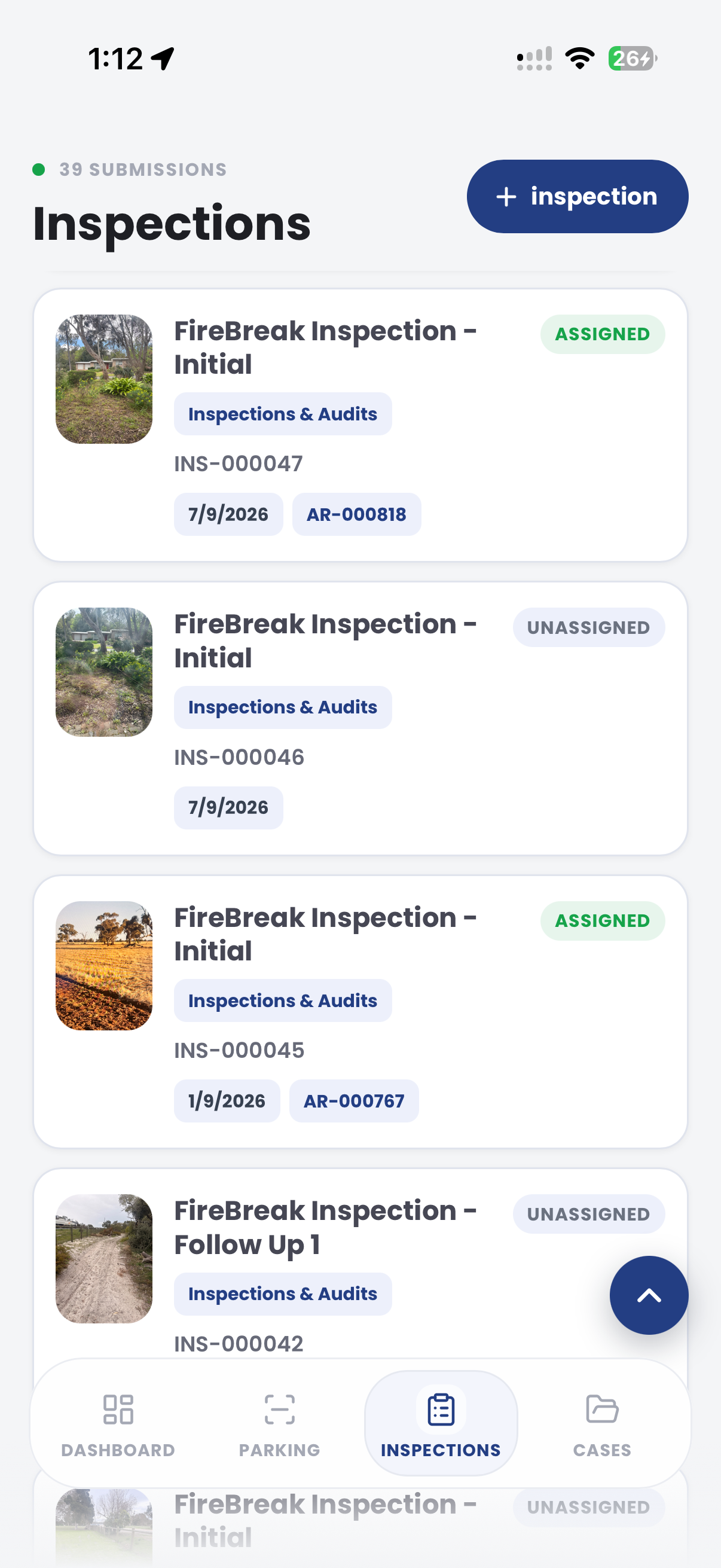
The useful question is not which feature exists. It is whether the team can see the place, rule, evidence, exception, next action and review history before making a decision.
Use prompt sets suited to each public asset category.
Inspection editor, template library and question types.Record inspection activity against the relevant place or asset.
Maps, GPS context, timestamps and routes.Attach the field record and assign an appropriate follow-up action.
Photos, notes, cases, tasks and due dates.Review work by site, asset type, status, owner or time period.
Dashboard filters, saved views, exports and audit history.Mapped records help teams review what was checked, where follow-up remains open and which owner holds the next action.
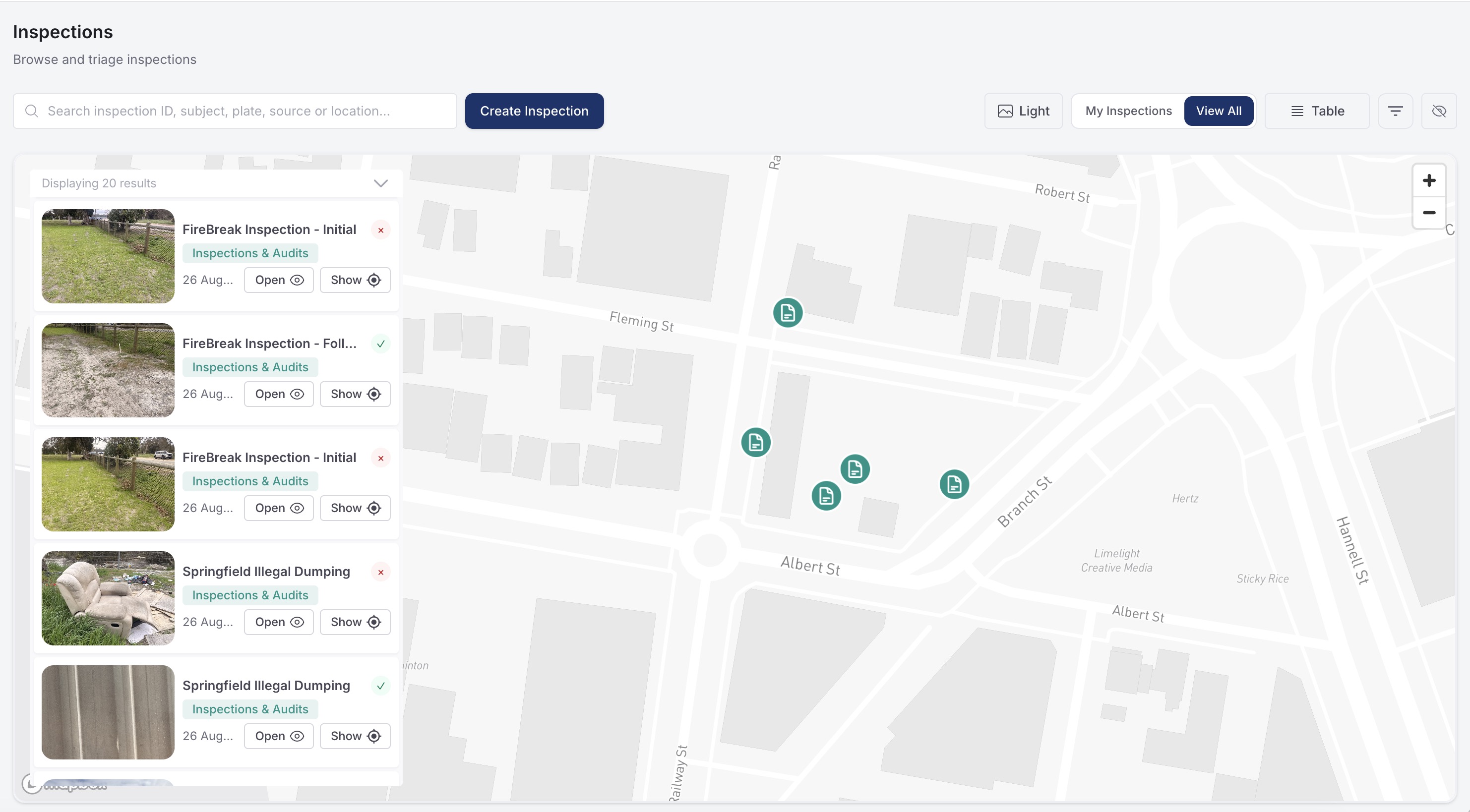
Connect the inspection to the reserve, route and mapped asset.
Use the relevant prompt set for benches, shelters, bins, paths or equipment.
Review completed work and open actions across the inspection program.
A contextual CORE view keeps the case, rule, evidence, workflow status and next action together.
Mapped asset evidence and inspection responses recorded for review
Scheduled reserve inspection route
Review the asset, evidence, owner and next action
Aero Ranger keeps the issue photos, place context, rule context and follow-up state together so the case can be checked later without rebuilding the record.
The issue photo stays on PAR-10001 with the case note and current case status.
Site, street, reserve, bay, kerbside or zone context stays attached so reviewers can see where the issue occurred.
The relevant signage, permit condition, local-law category or operating rule is recorded beside the issue evidence.
Later photos, reinspection notes, notice evidence and closure decisions remain in the same case trail.
In CORE, a reserve inspection can connect multiple public asset templates to mapped field evidence and assigned follow-up.
Reserve, route, mapped location, asset type and identifier.
Template responses, observations, photos, notes and timestamps.
Owner, due date, priority, status, action notes and history.
Teams can start with a targeted pilot, tune thresholds and then extend the same model across related compliance areas.
Select the route, sites and asset templates for the field visit.
Complete the relevant prompts for each public asset.
Retain map, asset and inspection-time context with the record.
Assign observations that need review or maintenance follow-up.
Monitor completed inspections and outstanding actions.
Once capture, evidence and case flows are working, related compliance categories can use the same platform pattern.
Use component-specific prompts for exercise stations.
Manage play-area assets in the same reserve program.
Include toilets, fountains and change facilities.
Use these CORE guides when setting up the zones, cases, permits, evidence templates, notices and reports that support this operating model.
Bring an asset list and field checklist to map templates, routes, evidence, review stages and reporting.
Technology procurement guide
Use your organisation or government email address. Your guide will be ready to open as soon as the form is submitted.

