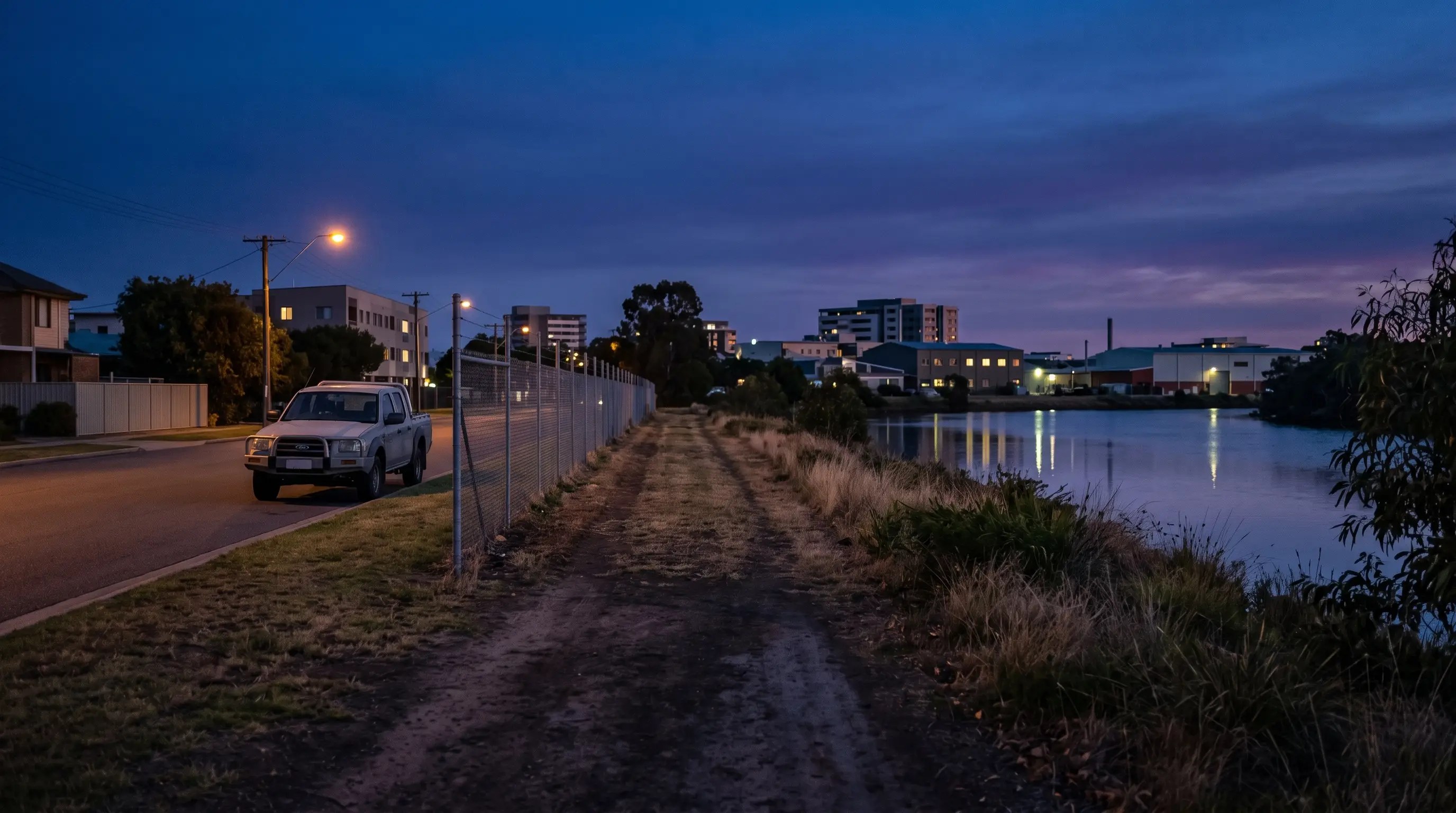
Metropolitan river councils - A metropolitan firebreak program shows why seasonal notices, inspections, hazard reports and follow-up records need to stay connected.
Firebreak works due before November
A metropolitan river council has published its 2026-2027 firebreak and hazard-reduction requirements, with owners and occupiers required to complete specified works by 1 November 2026 and maintain them through 30 April 2027.
The council information says property inspections are planned during November and December, with infringement and court penalty pathways available where requirements are not met.
Seasonal notices create field work
A firebreak notice has to become a practical inspection list. Staff need property details, land category, notice requirements, prior contact, inspection date, photo references and outcome notes.
Those details are especially important when follow-up depends on property size, zoning, building status, hazard reports or a later change in conditions.
Hazard reports need triage
Public hazard reports can point staff toward a property, verge or reserve that may need inspection. The record should preserve what was reported, when it was received, the location category and what the inspecting officer observed.
A report is still only the start of the file. The organisation's authorised officer and seasonal process determine what happens next.
Keep notices and actions linked
When seasonal follow-up escalates, reviewers should be able to see the notice, inspection evidence, correspondence, deadlines, contractor action where relevant and closure reason.
That connected history helps teams understand open workload and repeat issues without implying that a software record decides the legal outcome.
Related reading
Reporting context
This article is based on publicly available reporting and council information reviewed on the publication date.